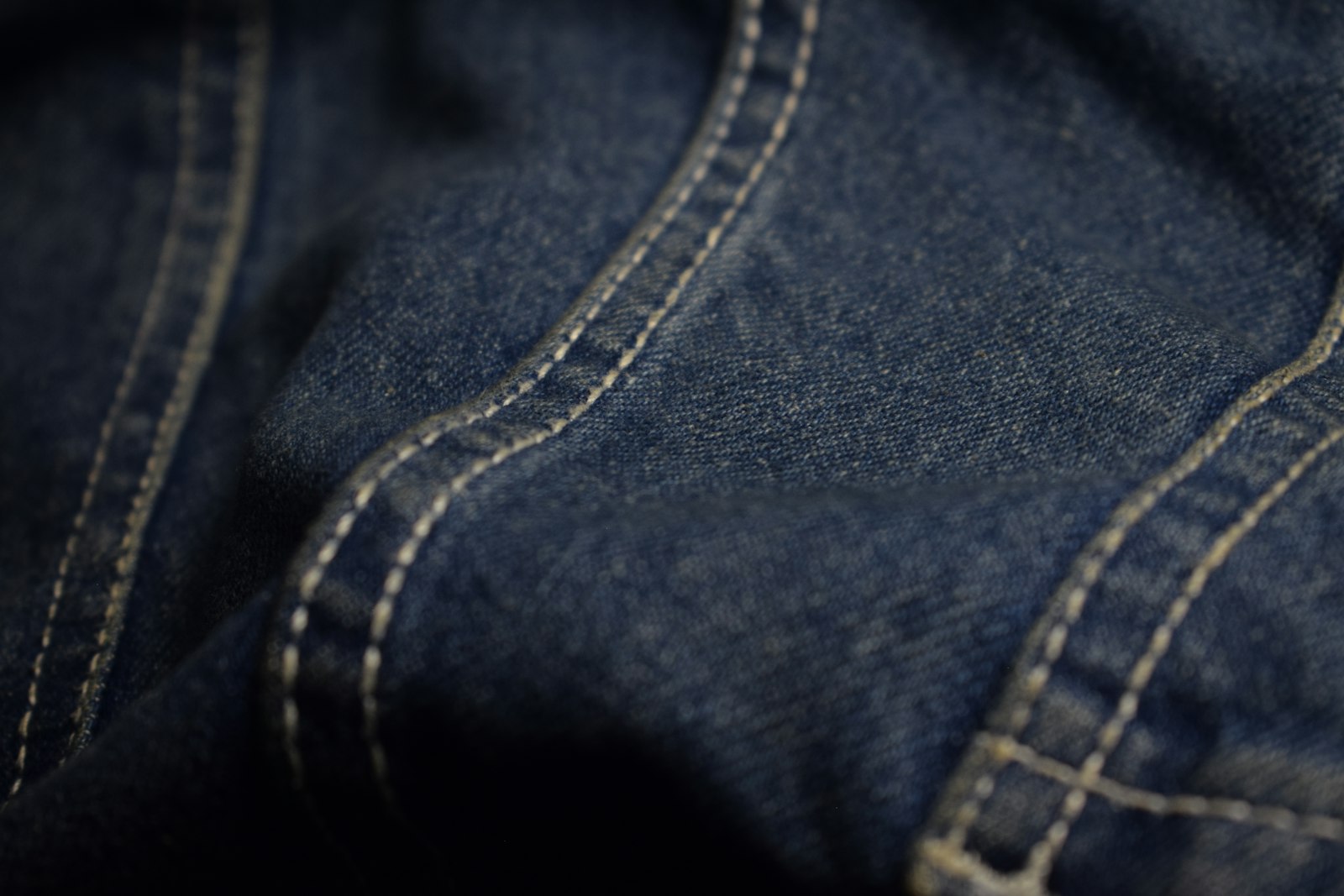
Somewhere in a drawer, in a storage unit or in the back of your older cousin’s closet, there is a pair of jeans with stitching so thick you could read it in braille. A horseshoe on the back pocket. Perhaps a smiling Buddha on the label. If you lived through the mid 2000s, you know exactly which jeans we mean. And if you were born after them, there is a decent chance you own a new pair anyway.
That is the strange miracle behind this week’s business news: True Religion, the Los Angeles denim label that went bankrupt twice, is exploring a sale. According to Reuters, citing people familiar with the matter, owner ACON Investments is weighing either a full sale or the sale of a minority stake. The process could value the brand at close to 1 billion dollars. It is still at an early stage. JPMorgan is said to be advising. True Religion, ACON and JPMorgan all declined to comment.
From Paris Hilton’s closet to the bankruptcy court
To understand why a billion dollar price tag on True Religion sounds slightly absurd, you need the full plot. Kim and Jeff Lubell founded the brand in Los Angeles in 2002. The timing was perfect. Premium denim was the status symbol of the era, the low-rise waistband was law and paparazzi photos functioned as the world’s most effective catalogue. Early fans included Paris Hilton, Britney Spears, Serena Williams and the Black Eyed Peas, according to a 2025 profile of the brand by the U.S. Chamber of Commerce’s CO publication. A single piece could cost more than 200 dollars.
The signature was impossible to miss: oversized white contrast stitching that the brand calls “Super T.” It was the denim equivalent of a logo, visible from across a mall food court. In 2013 the investment firm TowerBrook Capital Partners agreed to take True Religion private in a deal worth about 835 million dollars. Even then, the cracks were showing. Shoppers were drifting toward cheaper jeans and operating margins had collapsed.
What followed reads like the third act of a cautionary fashion biopic. True Religion filed for bankruptcy in 2017. Then it filed again in 2020, when the pandemic sent the entire world into sweatpants. If you had told a fashion editor in 2020 that this brand would one day be shopped around for a billion dollars, they would have recommended a long lie-down.
The numbers behind the comeback
The comeback also shows up where it counts: in the accounts. According to the Reuters report, True Religion now generates close to 550 million dollars in annual revenue. Its EBITDA, a common measure of operating profit, has nearly doubled since ACON took control and is approaching 150 million dollars a year. For comparison: when ACON and its partner SB360 Capital Partners, an affiliate of the Schottenstein family, bought a controlling stake in late 2024, the brand reported 280 million dollars in sales for 2023 and EBITDA of 80 million dollars, as FashionUnited reported at the time.
A small footnote that matters: Jay Schottenstein, chairman of SB360, is also CEO of American Eagle Outfitters. The denim world is smaller than it looks.
The company now runs around 60 stores and aims for 150, according to CEO Michael Buckley. Jeans make up only 35 to 40 percent of revenue. The rest comes from a much broader range of products. That shift is a big part of the story.
How Gen Z adopted their parents’ jeans
The revival rests on a simple insight that sounds almost cynical when you write it down. When Buckley returned to the brand after its second bankruptcy, the company did consumer research. According to chief marketing officer Kristen D’Arcy, quoted in the CO profile, it found that households earning under 100,000 dollars preferred logo-driven brands. So the horseshoe and the Buddha came back. Prices came down to roughly the 100 dollar range for jeans.
Then came the cultural reboot. Rapper Quavo, who wore the brand as a teenager and once sketched a True Religion tattoo, starred in a holiday campaign in 2023. Megan Thee Stallion fronted the 2024 holiday campaign. Anitta led the brand’s “Own Your True” push. Playboi Carti wore it head to toe in a music video. Meanwhile TikTok did what TikTok does best and turned early 2000s nostalgia into a full-time job.
This is the same machine that brought back the Juicy Couture tracksuit, the baguette bag and the butterfly clip. A popular rule of thumb in fashion says trends return roughly every twenty years, once the people who wore them the first time have stopped cringing and a new generation can wear them without irony. True Religion simply arrived at the right moment on that clock.
Why the money people are interested now
Our interpretation: a private equity owner that bought in late 2024 and is already testing the market less than two years later is following a classic script. Buy a brand at a low point, fix the margins, expand the store fleet, then sell while the growth chart still points up. True Religion offers a buyer something rare in denim right now: a recognisable logo, a younger audience and profits that have been rising rather than falling.
The risk is just as obvious. Nostalgia is a powerful fuel, but it burns quickly. The brand has already crashed once when tastes moved toward athleisure and cheaper competitors. A buyer paying close to a billion dollars is betting that True Religion has turned from a trend into a staple, from a costume into a wardrobe basic. Whether that bet pays off is not something any spreadsheet can promise.
What it means for your closet
For you as a shopper, a sale changes nothing overnight. No buyer has been named and no deal has been announced. But the story says something useful about how fashion value works in 2026. The most profitable thing a brand can own is not a factory or a fabric. It is a memory. The thick white stitch is basically a time machine that you wear on your hips.
So before you throw out those old jeans from the drawer, consider this a gentle warning from people who have seen the cycle turn more than once. The garment you are embarrassed by today may be the vintage piece someone else is hunting for tomorrow. The billion dollar question is simply whether the next generation keeps believing in the religion.
Key facts at a glance
- What: Denim brand True Religion is exploring a full sale or a minority stake sale that could value it at close to 1 billion dollars, according to Reuters sources.
- Who: The brand is owned by ACON Investments, which took a controlling stake in December 2024 alongside SB360 Capital Partners. JPMorgan is reportedly advising on the process.
- Numbers: True Religion generates close to 550 million dollars in annual revenue and EBITDA is approaching 150 million dollars per year, nearly double the level at the time of the acquisition.
- History: Founded in Los Angeles in 2002, True Religion was taken private by TowerBrook in 2013 in a deal worth about 835 million dollars and filed for bankruptcy in 2017 and again in 2020.
- Status: The sale process is at an early stage. No buyer has been named and the companies involved declined to comment.
FAQ
Is True Religion being sold?
True Religion is exploring a possible sale, according to a Reuters report. Options include a full sale or a minority stake sale. No deal has been announced.
How much is True Religion worth?
Sources cited by Reuters say a deal could value True Religion at close to 1 billion dollars. The brand reportedly generates about 550 million dollars in annual revenue.
Why did True Religion make a comeback?
True Religion returned to its logo-heavy look, lowered jeans prices to around 100 dollars and worked with artists such as Quavo and Megan Thee Stallion. Early 2000s nostalgia on social media helped it reach younger shoppers.
Sources
- Apparel retailer True Religion explores sale, sources say (Reuters via MarketScreener)
- Apparel retailer True Religion explores sale: sources (FashionNetwork)
- Acon Investments acquires True Religion (FashionUnited)
- How True Religion won over Gen Z (CO by U.S. Chamber of Commerce)
- True Religion agrees to go private in 835 million dollar deal (FashionNetwork)