
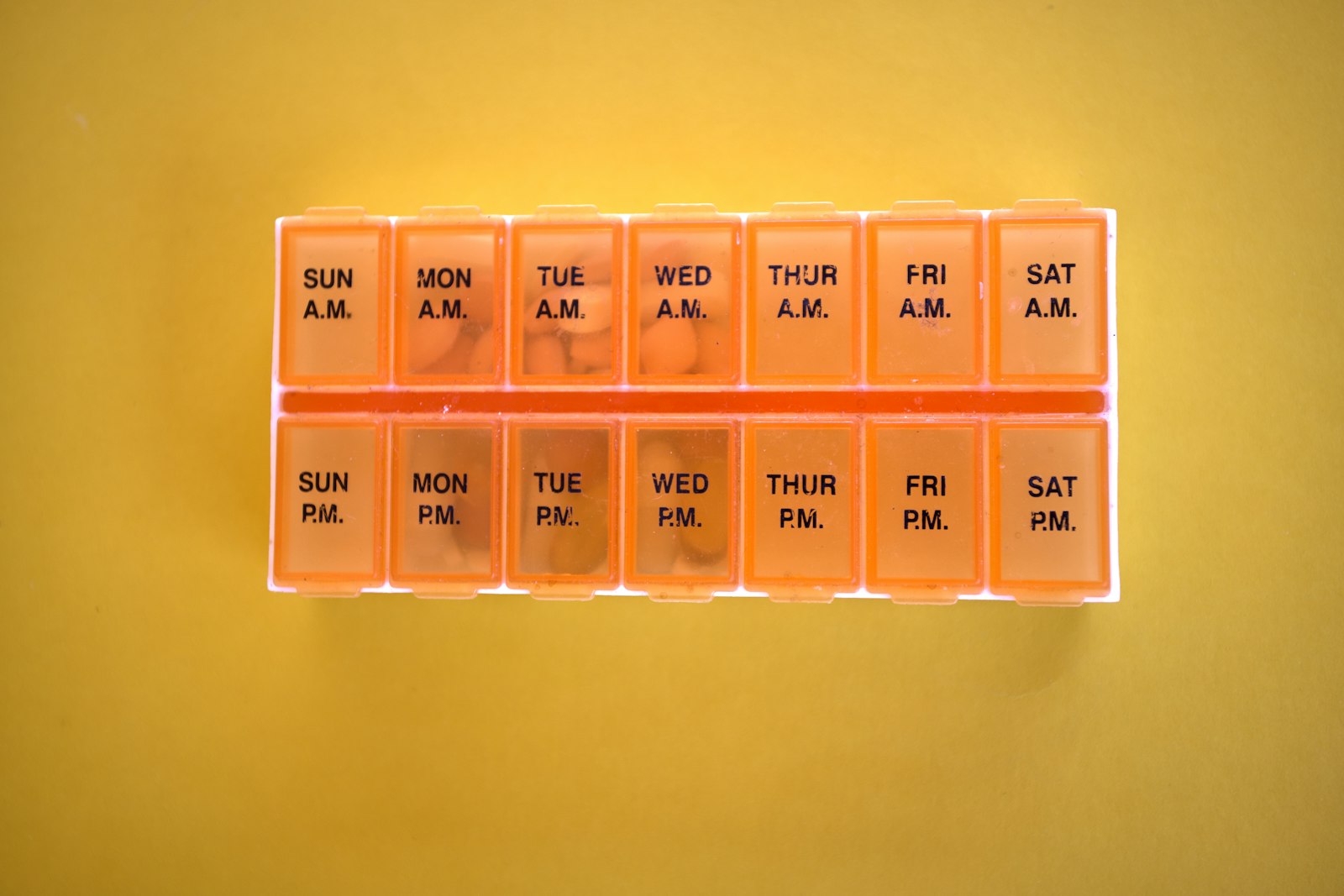


Open the medicine cabinet of almost any household with grandparents and you will find a small pharmacy. Statins are often part of it, taken every evening for years, sometimes decades, to keep cholesterol in check and heart attacks at bay. But what happens when you are 77, juggling several chronic conditions and wondering whether that daily pill still earns its place? A large European trial presented at the American Heart Association’s Scientific Sessions 2026 in Chicago has delivered the most solid answer yet. It is refreshingly un-Hollywood: stopping statins is mostly safe for many older adults, but it is not free of risk.
If you were hoping for a clean “keep taking it” or “throw it out,” we have to disappoint you. Medicine rarely writes endings like a Marvel finale. This one reads more like a well-made drama where everyone has a point.
What the STREAM trial tested
The study is called STREAM, short for discontinuing statins in multimorbid older adults without cardiovascular disease. It was presented by Nicolas Rodondi, director of the Institute of Primary Health Care at the University of Bern. The paper appeared simultaneously in The New England Journal of Medicine, as Healio reports.
According to HCPLive, the trial enrolled 1,880 adults aged 70 or older at 24 sites in Switzerland, the Netherlands plus France between November 2021 and April 2025. Everyone had at least two chronic conditions, had been taking a statin for at least a year for primary prevention and had no known atherosclerotic heart or vascular disease. In other words, these were people who took the drug to prevent a first event, not to stop a second one. The average age was 77.5 years and 46.9 percent were women. Participants were randomly assigned to either stop or continue their statin and other lipid-lowering drugs.
The main question was whether stopping would be “noninferior,” a research term that roughly means not meaningfully worse. The researchers measured the combined outcome of nonfatal heart attack, nonfatal ischemic stroke or death from any cause.
The results in plain language
Over two years, people who stopped their statin lived an average of 96.5 weeks free of these events, compared with 98.5 weeks for those who kept taking it. That two-week gap stayed within the margin the researchers had set in advance, so stopping met the formal definition of noninferiority.
The fine print matters, though. Over a median follow-up of 103 weeks, the combined outcome occurred in 12.7 percent of the group that stopped versus 9.2 percent of those who continued, according to HCPLive. Heart attacks and ischemic strokes were both more common after stopping. Rodondi said there was one additional cardiovascular event for every 40 people who stopped statins over two years, Healio reports. In a subsample tested after 12 months, LDL cholesterol in the stopping group had risen to about 176 mg/dL, compared with around 99 mg/dL in those who stayed on the drug.
What did people gain from stopping? Less than you might expect. The trial found no meaningful differences in quality of life, pain, falls or risk of muscle loss. Serious adverse events were similar between the groups. Karen Alexander, a professor of medicine at Duke University who commented at the AHA press conference, noted that the participants who stopped their statins did not feel better, according to Healio.
“Safe” or “acceptable risk”?
This is where the experts choose their words very carefully. You should too. Rodondi described stopping as generally safe in this population but stressed that the decision must be centered on the individual patient, Healio reports. For a very frail older adult with limited life expectancy, a two-week difference may not justify yet another pill. For a fairly healthy older person who happens to have a couple of chronic conditions, continuing could be the wiser choice.
Amit Khera of UT Southwestern, who moderated the press conference, suggested that “acceptable risk” may describe the findings better than “safe.” Alexander called the trial “an important piece of an evolving puzzle” and cautioned against reading it as permission to stop preventive medicines across the board. After the trial, the data and safety monitoring board recommended that participants in the stopping group talk to their doctors about restarting statins, HCPLive reports.
The study also has limits. It was open label, so participants and doctors knew who had stopped and there was no placebo. Some people crossed over between groups, although an additional analysis suggested this was unlikely to change the conclusions. HCPLive also notes that participants recruited by general practitioners appeared to fare worse after stopping than those recruited through hospitals, which hints that the real-world effect could vary depending on who you are.
Why this matters beyond cardiology
STREAM is part of a broader movement in medicine called deprescribing: systematically checking whether older patients still need every drug they were once prescribed. Think of it as a Marie Kondo session for the medicine cabinet, except the question is not whether a pill sparks joy but whether its benefit still outweighs the burden. Many older adults take numerous medications at the same time. Each one adds potential side effects, interactions and daily hassle.
Until now, decisions about stopping statins in old age relied largely on observational data and expert opinion. STREAM offers randomized evidence, which is the gold standard. Its message is nuanced: stopping is a reasonable option for some people, but it comes with a small, measurable cost in heart attacks and strokes.
What this means for you
If you or a parent are over 70 and taking a statin for prevention, the takeaway is not to stop on your own. The takeaway is that it is a legitimate conversation to have with your doctor, ideally at a regular medication review. Questions worth asking include how high your personal cardiovascular risk is, what your other conditions and medications look like, how you are tolerating the statin and what matters most to you in the years ahead.
The researchers themselves call for more trials like this one, testing the withdrawal of other common preventive drugs. That may sound unglamorous, yet it could reshape how millions of people age. The future of medicine for older adults may be less about adding the next pill and more about knowing when to take one away, carefully and together.
This article is for general information only and does not replace advice from a doctor or other qualified health professional. Please do not stop or change any medication without talking to your physician.
Key facts at a glance
- What: The STREAM trial tested whether adults aged 70 or older with multiple chronic conditions but no known cardiovascular disease can stop taking statins.
- Who: The trial enrolled 1,880 participants at 24 sites in Switzerland, the Netherlands plus France, with a mean age of 77.5 years.
- Result: Over two years event-free survival was 96.5 weeks after stopping versus 98.5 weeks when continuing, which met the noninferiority threshold.
- Risk: Investigators estimated one additional cardiovascular event for every 40 people who stopped statins over two years.
- Note: for general information only, not medical advice.
FAQ
Is it safe to stop statins after 70?
The STREAM trial found that stopping statins was noninferior to continuing over two years in adults aged 70 or older without cardiovascular disease. It also led to slightly more heart attacks and strokes, so experts recommend an individual decision with a doctor.
What did the STREAM statin trial find?
STREAM found two weeks less event-free survival over two years in people who stopped statins. Researchers estimated one extra cardiovascular event for every 40 people who stopped.
Should older adults stop taking statins on their own?
No. The researchers and outside experts stress that stopping statins should be a shared decision between patient and doctor based on personal risk, other conditions and life expectancy.
Sources
- STREAM: Statin Discontinuation Noninferior in Older Adults Without CVD (HCPLive)
- New study informs statin discontinuation in older adults without CVD (Healio)
- Discontinuing Statins in Older Adults without Cardiovascular Disease (The New England Journal of Medicine)
- Rationale and design of the STREAM trial: study protocol (PubMed Central)