

Somewhere between the partridge in a pear tree and the five gold rings, the old Christmas carol promised escalating generosity. The SKIMS advent calendar promised “twelve days of fun surprises” for $148. What a lot of buyers found behind the little doors were hair ties, bobby pins, keychains and a squishy toy. Within days the internet had delivered its verdict, the brand had offered refunds and a seasonal cardboard box had turned into a case study about what we are really paying for when we buy into a famous name.
Before you ask: no, we did not buy one. We did read every unboxing summary we could find, which is arguably the more 2026 way to experience an advent calendar anyway.
What was in the SKIMS advent calendar
According to CBS News, the box from the shapewear brand co-founded by Kim Kardashian was marketed as a holiday gift with twelve surprises. The contents included four keychains, various hair bands, bobby pins plus a SKIMS squishy, all described as exclusive to the box. FashionUnited also lists clips and branded bobby pins among the items. The calendar sold out on the SKIMS website, which now points shoppers to a waitlist for a future batch.
The trouble started on TikTok. Creator Kayla Ryan’s unboxing video drew more than 18.9 million views and 1.7 million likes, FashionUnited reports. Her review was memorably dry: she said she hoped the final door held a gift card for all her money back. Other buyers piled on. One compared the contents to what you could find at Dollar Tree, another called it the worst advent calendar ever, as quoted by CBS News.
How SKIMS responded
Here the story takes a slightly unusual turn, because the brand did not simply wait for the next viral moment to bury this one. A SKIMS spokesperson told TODAY that “for some, the calendar didn’t meet expectations.” The company said it had personally reached out to every customer who bought the calendar and offered a choice between a full refund or store credit. “We want every customer to be truly happy with what they receive from SKIMS,” the brand said in the statement quoted by FashionUnited. SKIMS also said it wants more feedback to shape future releases, according to TMZ.
That is a fairly textbook piece of crisis management: acknowledge, compensate, move on. It is also an admission that in the age of the unboxing video, a product is no longer judged in your living room. It is judged in front of millions of strangers, frame by frame, with a ring light.
Why advent calendars became luxury objects
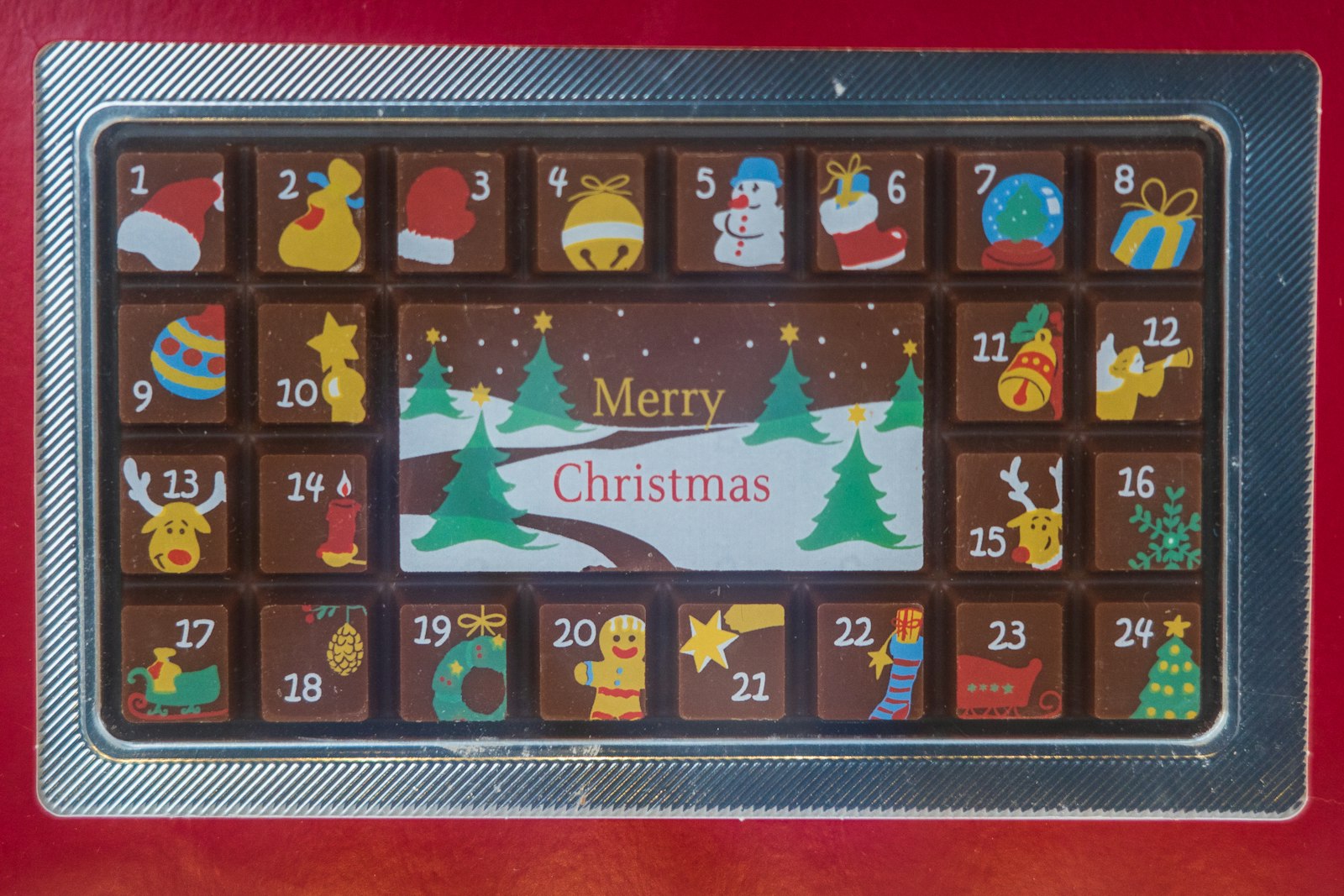
The advent calendar started life as a modest German tradition: a little door, a picture or a piece of chocolate, a daily countdown for impatient children. Over the past decade fashion and beauty brands have turned it into one of the most lucrative products of the holiday season. The logic is simple. A calendar packages small items, often samples or minis, into a box that feels like an event. You pay for the ritual as much as for the contents.
That model works as long as the ritual feels generous. When it does not, the backlash is predictable. FashionUnited recalls Chanel’s heavily criticized calendar in 2021 as a comparable case of a gap between price and contents. CBS News points out that Sephora’s trinket-filled calendar drew complaints of being “disappointing” two years ago. Retail expert Trae Bodge told CBS that brands are increasingly turning advent calendars into expensive gift sets. She added that such boxes can be “a great opportunity” to create an experience, while advising brands to consider whether their products will “hold up well on a TikTok.” She did not spare Christian Louboutin either, telling CBS that the shoe house “may make a good, classy high-heeled shoe” but not a classy advent calendar.
The real product is the logo
Now for our interpretation, clearly labeled as such. The SKIMS calendar did not fail because hair ties are bad. Hair ties are excellent. It struggled because the price was built on the assumption that the logo carries the value. That works for a perfectly cut bodysuit, where design and fit justify the premium. It works far less well for a bobby pin, where you can see exactly what you are getting and compare it with a drugstore pack.
Fashion history is full of moments when branding outran the product. The logomania of the late 1990s and early 2000s, from monogram everything to the famous Dior saddle bag craze, showed how far a recognizable name can stretch. But there is a limit. It usually arrives when the item is small enough to feel trivial. Willy Wonka sold chocolate bars with the hope of a golden ticket inside. The fans who opened this calendar seemed to feel they had paid golden ticket prices for the wrapping paper.
There is also a generational element. Shoppers who grew up on haul videos and duping culture are skilled at calculating value item by item. A box that once would have been a vague luxury treat now gets itemized in a thirty-second clip with a price tag on screen. Brands have to design for that audit from the very start.
What you can learn before buying your next calendar
If you are tempted by a branded advent calendar this year, the SKIMS episode offers a useful checklist. Look at the full contents list before you buy, not just the hero image. Estimate what the items would cost individually. Ask whether you would actually use them in January, long after the doors are open. And check the return policy, since not every brand will reach out personally to offer your money back.
For the industry, the lesson is less comfortable. The holiday season is when brands try to convert attention into easy revenue. The advent calendar has been one of the smoothest tools for doing that. The SKIMS backlash suggests the audience is now auditing the magic. Next December the winners will probably be the calendars that feel generous on camera, which says a lot about where shopping has moved: from the store shelf to the comment section.
Key facts at a glance
- What: The SKIMS advent calendar cost $148 and was marketed with twelve days of surprises.
- Contents: According to CBS News the box included four keychains, hair bands, bobby pins plus a SKIMS squishy.
- Backlash: A TikTok unboxing by creator Kayla Ryan drew more than 18.9 million views, as reported by FashionUnited on 9 November 2026.
- Response: SKIMS offered buyers a full refund or store credit and said it personally contacted every customer who bought the calendar.
- Status: The calendar is sold out on the SKIMS website, which lists a waitlist for a future batch.
FAQ
Why is the SKIMS advent calendar controversial?
Buyers criticized the $148 SKIMS advent calendar because its twelve items were mostly hair ties, bobby pins, keychains plus a squishy toy. Many felt the contents did not match the price.
Is SKIMS giving refunds for the advent calendar?
Yes. SKIMS said it reached out to every customer who bought the calendar and offered a full refund or store credit.
What was inside the SKIMS advent calendar?
According to CBS News the SKIMS advent calendar contained four keychains, various hair bands, bobby pins plus a SKIMS squishy. FashionUnited also lists clips among the items.
Sources
- Kim Kardashian’s SKIMS accessories Advent calendar sparks controversy (CBS News)
- Skims’ advent calendar backlash tests the limits of brand-led pricing (FashionUnited)
- Skims Offers Refunds After Facing Backlash for $148 Advent Calendar (TODAY)
- Kim Kardashian’s SKIMS Issuing Refunds of Advent Calendar After Furious Fans Complain (TMZ)