You opened the app for a quick tip on sleeping better. Ninety seconds later you knew a lot about magnesium, slightly less about sleep and you had a discount code. If that sounds familiar, the Pew Research Center now has the numbers to explain it. In an analysis published on October 7, the researchers found that 92 percent of large health and wellness influencers promote a product, service or subscription at least occasionally. Only 8 percent never do.
That does not mean every wellness creator is a con artist. It does mean that a large share of the health advice in your feed arrives with a shopping basket attached. This piece looks at what the study found, how it was done and how you can read your feed a little more like an editor.
What Pew actually measured
The scale is impressive. Pew analysed 535,512 posts from 6,334 health and wellness influencers on Instagram, TikTok and YouTube, published between February 1 and April 30, 2026. To qualify, an influencer had to be an individual rather than a brand, have at least 100,000 followers on one of the platforms and talk mainly in English to a US audience. The audio, video and captions were transcribed and then classified by an AI model using a detailed codebook. Human coders checked a validation sample. Pew itself describes the model’s accuracy as moderate, so treat the percentages as solid estimates, not as a census.
Yes, we see the irony too: an AI model reading half a million wellness videos so that you do not have to. It may be the most humane use of the technology so far.
The big number: 38 percent of posts are selling something
Across all posts, 38 percent promoted a product, service or subscription, whether or not it was labelled as sponsored. Among posts that directly discussed health and wellness, that share rose to nearly half. Roughly a third of influencers promoted something in more than half of their posts.
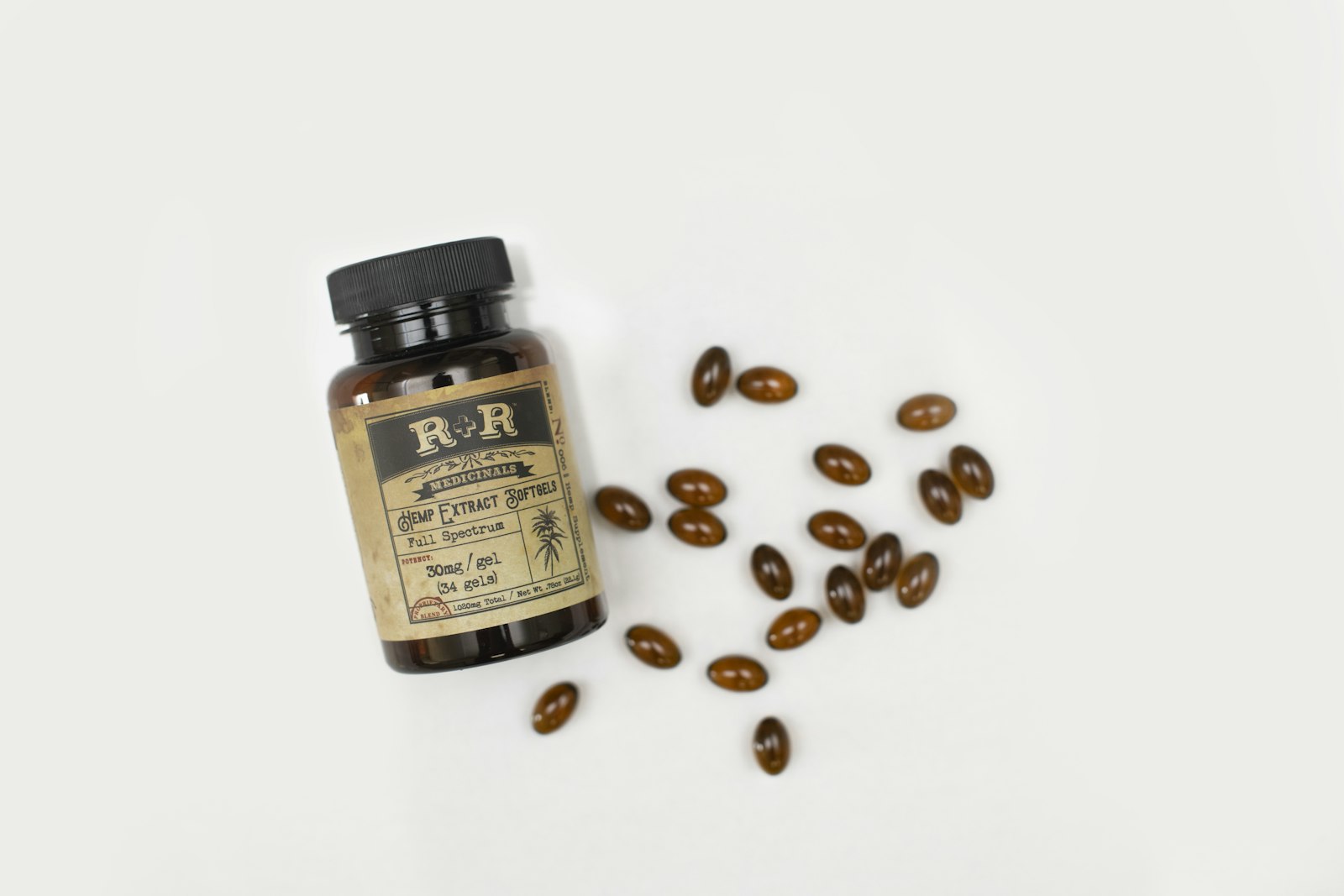
Some topics are noticeably more commercial than others. Posts about over-the-counter medications and supplements were the most promotional of all, with 66 percent containing a pitch. Men’s health and personal appearance followed at 56 percent each, with nutrition and longevity at 52 percent. Fitness was the single most common subject, appearing in a quarter of posts, followed by healthy habits and nutrition. Protein, the macronutrient of the decade, showed up in 42 percent of nutrition posts. Somewhere a chicken breast is updating its LinkedIn.
Pew also looked at who promotes most. Dietitians and nutritionists, practitioners of complementary and integrative health, authors, business owners and coaches promoted more often. Athletes and activists promoted less. That is worth pausing on: credentials and commerce are not opposites. A qualified expert can also be running a supplement line.
The smaller number that matters more
Here is the figure we would put on a poster. Only 9 percent of posts referred to an outside source, such as a study or a general appeal to science, when making a health claim. Just 11 percent warned about a direct health harm. In other words, the average health post is four times more likely to sell you something than to tell you where its information comes from.
Interestingly, the minority of posts about health policy behaved very differently: half cited an outside source and 46 percent warned of a specific harm. The most evidence-heavy corner of wellness content is also the least glamorous one. There is probably a lesson in that about what the algorithm rewards.
None of this is new, only faster
Selling health alongside entertainment is as old as the travelling medicine show. In 1982 Jane Fonda’s Workout tape turned aerobics, leg warmers included, into a home video phenomenon. In The Truman Show, Truman’s wife kept turning to an invisible camera to praise a cocoa drink called Mococoa. The difference today is intimacy. An influencer talks to you from their kitchen, in your bedroom, on your phone. That feeling of friendship is exactly what makes a recommendation persuasive and exactly why disclosure matters.
The audience is real, too. A January 2026 survey by EMARKETER found that 70 percent of consumers who look for health information on social media follow or engage with health influencers. Among Gen Z and millennials it was 83 percent. For a lot of people, the feed has quietly become the first stop before the pharmacy or the doctor’s office.
How to read your feed like an editor
You do not have to unfollow anyone. A few habits, taken from how newsrooms check claims, go a long way. First, look for the disclosure. In the US the Federal Trade Commission expects influencers to disclose material connections to brands, including free products. Pew counted promotions whether they were disclosed or not, which suggests labels are not always where you would expect them. Second, ask where the claim comes from. If a post names a study, search for it. If it only says “science shows”, that is a vibe, not a source. Third, notice the pairing. A post that combines a health worry with a product that solves it is a sales pitch, however warm the lighting.
Finally, keep a sense of proportion. Pew’s own data show that influencers also post plenty of harmless or useful content, from fitness routines to personal stories about living with a condition. The point is not to distrust everyone. The point is to know when you are being informed and when you are being sold to. Our forecast, which is only a forecast: as AI tools make content production cheaper, the volume of commercial wellness posts will grow faster than the evidence behind them. Your scepticism is the one supplement that really is free.
This article is for general information only and does not replace professional medical advice. Please talk to a doctor or pharmacist before starting any supplement or treatment.
Key facts at a glance
- What: A Pew Research Center analysis published on October 7, 2026 examined 535,512 posts from 6,334 health and wellness influencers on Instagram, TikTok and YouTube.
- Promotions: 92 percent of the influencers promoted a product, service or subscription at least occasionally and 38 percent of all posts contained a promotion.
- Most commercial topic: 66 percent of posts about over-the-counter medications and supplements included a promotion.
- Evidence: Only 9 percent of posts referred to an outside source such as a study when making a health claim.
- Note: for general information only, not medical advice.
FAQ
How many health influencers promote products according to Pew?
According to Pew Research Center, 92 percent of the health and wellness influencers it studied promoted a product, service or subscription at least occasionally. Only 8 percent never did.
How did Pew study health and wellness influencers?
Pew analysed 535,512 posts published between February 1 and April 30, 2026 by 6,334 English-speaking influencers with at least 100,000 followers. An AI model classified the posts and human coders checked a validation sample.
Do health influencers cite scientific sources?
Rarely. Pew found that only 9 percent of posts referred to an outside source such as a study when making a health claim.