
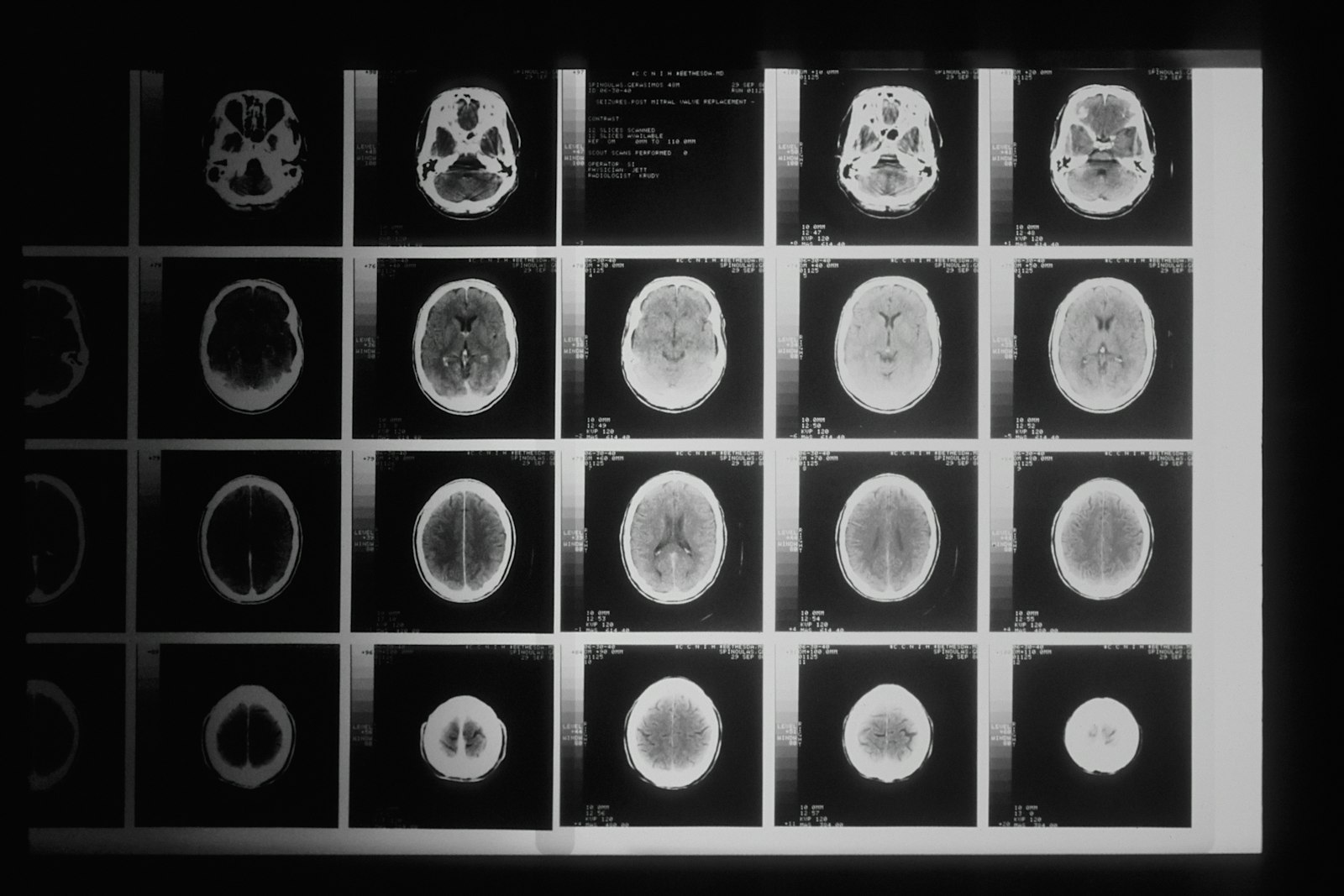


A child bumps their head, cries a little too long and suddenly the whole family is in the emergency room at midnight. Few parents would say no if a doctor suggested a CT scan to be safe. A large new study in JAMA now puts a number on what that kind of safety can cost later on. The answer is small, it is real and it is far more useful than either panic or a shrug.
The study, published online on November 19, 2026, followed more than 3.7 million children and found that radiation from medical imaging, above all head CT scans, was linked to a higher risk of brain tumors in childhood and adolescence. Before you start rethinking every X-ray your kids have ever had, it helps to look at what the researchers actually measured and what they recommend.
What the JAMA study on childhood imaging found
The research team, led by biostatistician Diana Miglioretti of UC Davis Health with radiologist Rebecca Smith-Bindman of UC San Francisco as senior author, analyzed electronic health records from six integrated health systems in the United States and the Canadian province of Ontario. The children were born between 1996 and 2016, were cancer free at age two and were followed for an average of 12.3 years. During that time, 1,536 brain tumors were diagnosed.
The researchers estimated the cumulative radiation dose each child’s brain received from imaging such as X-rays, CT, fluoroscopy and nuclear medicine. Risk rose with dose. A single head CT delivered an average estimated brain dose of about 66 milligray and was associated with roughly 1.8 times the risk of a brain tumor compared with no such exposure. In absolute terms, the team calculated about 7.9 additional brain tumors per 10,000 children by age 21 for that level of exposure. Put differently, that is around one extra tumor for every 1,266 head CT examinations.
Across the whole group, the authors estimate that about 10 percent of brain tumors in children and teenagers may be attributable to radiation from medical imaging. The link was stronger for aggressive tumors, which made up 82.5 percent of all cases in the study.
Why head CT is at the center of the debate
The head is the body part imaged most often in children. A CT scan of the head delivers a considerably higher dose to the brain than most other examinations. According to UC Davis, about 4.3 percent of the children in the cohort had one head CT, 0.9 percent had two and 0.4 percent had three or more.
Smith-Bindman told UC Davis that head CT is overused, with use increasing year after year. She argued that more careful use of the scans, combined with keeping doses as low as possible, would reduce the harm. That message will sound familiar to anyone who has watched a hospital drama. On television, a puzzling headache tends to lead straight to the scanner within one commercial break. In real life, the question is whether the image will actually change what happens next.
The findings also fit a pattern from the same research group. In 2025 the team published a study in the New England Journal of Medicine linking imaging radiation to roughly one in ten childhood blood cancers. Earlier cohort studies from Europe and Australia had also reported links between childhood CT and brain tumors, but they focused on CT alone and largely reflected older scanning practices.
What the study cannot tell you
This is an observational study, so it shows an association rather than proof that the scans caused the tumors. An accompanying JAMA editorial by Federica Persiani, Luca Boldrini and Ruggero De Maria of the Catholic University of the Sacred Heart in Rome points out the main weakness: children who need head scans may differ from other children in ways that also affect tumor risk. The editorialists write that “residual confounding by clinical indication cannot be ruled out.”
They also stress that the numbers are model based population estimates, not individual predictions. A child who has had one CT does not carry a personal 1.8 times risk stamp. The editorial warns that a record of cumulative exposure “should not become an automatic threshold” for withholding scans. That nuance matters, because the worst possible outcome of a study like this would be a parent refusing a scan that is genuinely needed after a serious injury.
Miglioretti made the same point directly: “Our findings do not mean that parents should avoid getting their children medically necessary imaging.” She also emphasized that the overall risk for an exposed child remains small.
What this means for you as a parent
The practical takeaway is less dramatic than the headline and more empowering. Imaging is often lifesaving. A CT scan can reveal bleeding in the brain within minutes. No study argues against using it when it is clinically justified. The study instead supports a simple habit: asking questions.
You can ask whether a scan will change the treatment plan, whether a method without ionizing radiation such as ultrasound or MRI could answer the same question and whether the dose has been adjusted for a child’s size. None of these questions is rude. They are the kind of conversation the researchers say should happen before every examination that uses radiation.
The broader shift is one of mindset. For decades, medical imaging enjoyed an almost magical reputation, the medical equivalent of the X-ray glasses advertised in old comic books. The new data does not take that magic away. It simply adds a price tag, written in very small print, that doctors and families can now read together. Future research will need to show whether lower dose techniques and stricter guidelines can push that price even lower.
This article is for general information only and does not replace advice from a doctor or other qualified health professional. If you have questions about imaging for your child, please talk to your pediatrician or radiologist.
Key facts at a glance
- What: A JAMA study published online on November 19, 2026 linked radiation from medical imaging to a higher risk of brain tumors in children and adolescents.
- Who: The study was led by Diana Miglioretti of UC Davis Health with Rebecca Smith-Bindman of UC San Francisco as senior author.
- Data: Researchers followed more than 3.7 million children born between 1996 and 2016 in six health systems in the US and Ontario for an average of 12.3 years.
- Finding: One head CT was associated with about 1.8 times the brain tumor risk or about one additional tumor per 1,266 head CT examinations.
- Note: for general information only, not medical advice.
FAQ
Do CT scans increase brain tumor risk in children?
A large JAMA study found that higher radiation doses from medical imaging, especially head CT, were associated with a higher brain tumor risk in children. The absolute risk remains small and the study shows an association rather than proof of cause.
How big is the brain tumor risk from one head CT in a child?
The researchers estimated about 7.9 additional brain tumors per 10,000 children by age 21 for the dose of one head CT. That equals roughly one extra tumor per 1,266 head CT examinations.
Should parents refuse CT scans for their children?
No. The lead researcher said parents should not avoid medically necessary imaging, but every scan using radiation should be clinically justified.
Sources
- Medical Imaging and Pediatric and Adolescent Brain Tumor Risk (JAMA)
- Children exposed to more radiation from medical scans may face higher brain tumor risk (UC Davis Health)
- CT scans linked to brain tumor risk in children and teens (AuntMinnie)
- Childhood CT radiation and brain tumor risk (Medical Daily)
- Higher radiation from childhood imaging may increase brain tumor risk (News-Medical)
This article was created with AI assistance and is based on the sources listed.