
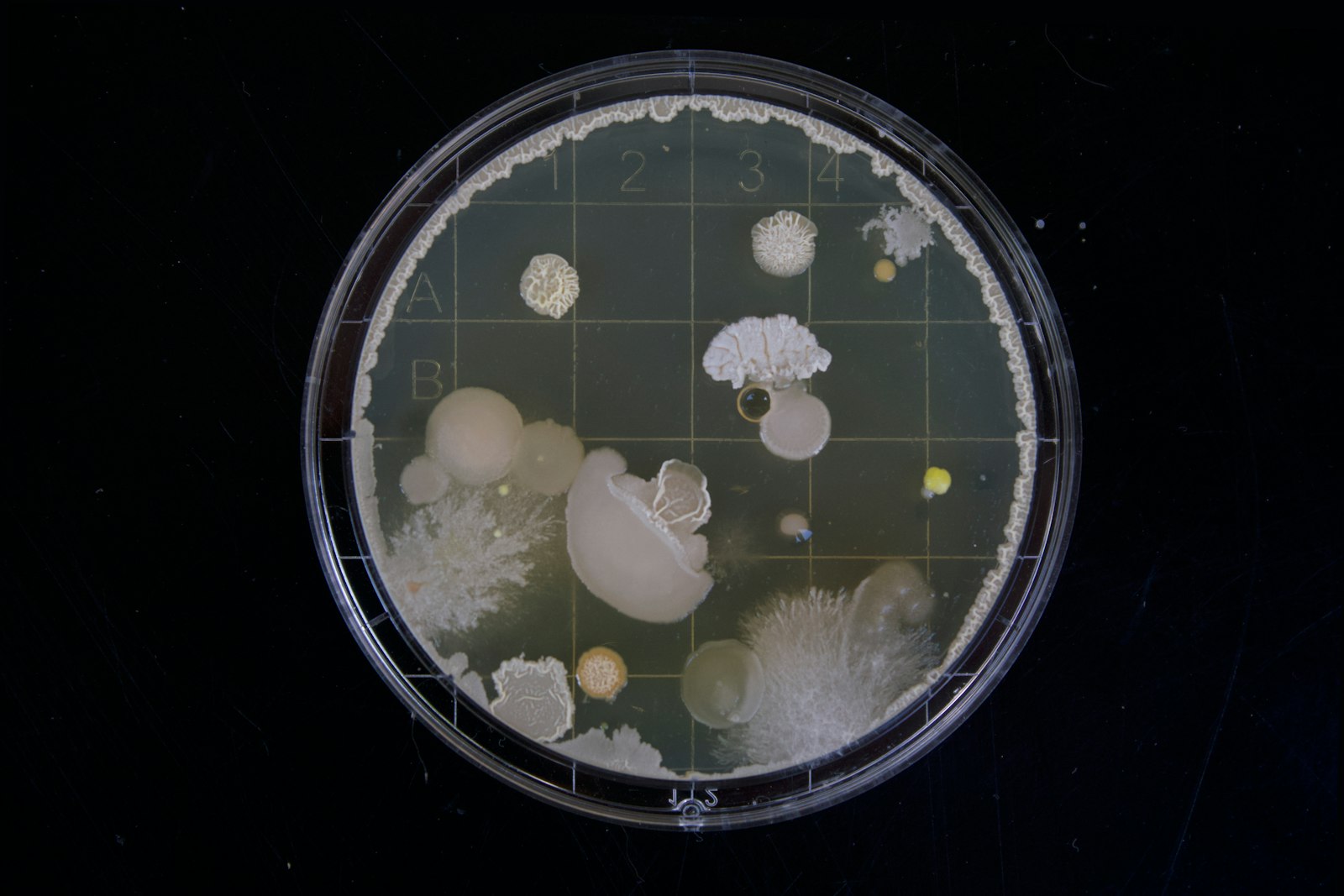


In 1945, the year he shared the Nobel Prize for discovering penicillin, Alexander Fleming warned that careless use of the drug could breed microbes it no longer killed. It took the world roughly 80 years to turn that warning into a spreadsheet. On November 18, European Antibiotic Awareness Day, the European Centre for Disease Prevention and Control (ECDC) published the latest version. The short summary is not great: Europe is behind on several of the goals it set itself for 2030.
“We are still behind with several of the EU’s 2030 targets to counter antimicrobial resistance,” said ECDC Director Pamela Rendi-Wagner. If you were hoping for a plot twist, this is not that kind of movie. It is closer to Contagion in slow motion, without Matt Damon and with considerably more bar charts.
The numbers behind the warning
In 2023, EU member states agreed on five targets to reach by 2030, all measured against 2019. The ECDC’s new figures show where each one stands.
Human antibiotic consumption fell by 5 percent between 2019 and 2025. The goal is a 20 percent cut. The share of first-line antibiotics, the drugs the World Health Organization groups as “Access” because they carry a lower risk of driving resistance, rose from 61.1 percent to 62.5 percent. The target is 65 percent.
The infection data are more mixed. Bloodstream infections with MRSA, the methicillin-resistant Staphylococcus aureus that many people know from hospital headlines, have dropped by 19 percent since 2019. That beats the 15 percent reduction target, although the ECDC notes that increases over the past two years threaten the progress. Two other trends are moving in the wrong direction. Bloodstream infections with E. coli resistant to third generation cephalosporins rose by 16.4 percent, when the goal was a 10 percent decline. Infections with carbapenem-resistant Klebsiella pneumoniae rose by 72 percent, compared with a target of a 5 percent reduction.
Why Klebsiella is the number to watch
Carbapenems are among the antibiotics doctors keep in reserve for infections that other drugs cannot treat. When bacteria resist them, the remaining options get thin. The ECDC links Klebsiella pneumoniae to serious illness and high mortality. It also reports a rise in carbapenem-resistant E. coli, including cases outside hospitals, which matters because resistance that spreads in the community is much harder to contain than an outbreak on a single ward.
For a sense of scale: the ECDC has previously estimated that more than 35,000 people in the EU die each year from infections with drug-resistant bacteria. The new release does not update that figure, so treat it as background rather than a new count.
The surprising place where most antibiotics are used
Here is the fact that turns this from a hospital story into a lifestyle story. According to the ECDC, about 90 percent of human antibiotic consumption happens in the community or outpatient sector, not in hospitals. That means family doctors, pediatric practices, pharmacies and, in the end, the decisions made in living rooms when somebody has a sore throat.
That is why this year’s ECDC campaign is aimed at parents. Many common childhood illnesses, including colds, coughs and sore throats, are caused by viruses. Antibiotics do nothing against viruses. The campaign’s message asks families to use antibiotics wisely, meaning only when a healthcare professional prescribes them and only when they are medically necessary. It sounds obvious. Yet the pressure to “get something” for a feverish child at 9 p.m. is real. Every unnecessary course gives bacteria another training session.
A small meta remark: health journalism loves the word “superbug” because it sounds like a villain from a summer blockbuster. The less cinematic truth is that resistance is built in ordinary moments, one prescription at a time. No cape required.
What Europe plans to do about it
The ECDC calls for a combination of measures it has been recommending for years: infection prevention and control in healthcare facilities, antimicrobial stewardship programs that guide which drugs get prescribed, stronger laboratory capacity and better surveillance. Faster genomic sequencing now lets authorities trace how resistant strains move between hospitals and countries, which Rendi-Wagner described as a way to act sooner. In practice the priorities sound refreshingly unglamorous: hand hygiene, correct use of protective equipment, early identification and isolation of patients carrying resistant bacteria and thorough cleaning. In 2026, the agency also introduced a digital tool called hyFive to monitor hand hygiene in healthcare settings.
The European push coincides with World AMR Awareness Week, which the WHO runs from November 18 to 24 under the theme “One Health, one action: Prevent AMR now.” The “One Health” idea links human medicine with animal health, agriculture and the environment, because resistant bacteria do not respect the borders between a farm, a river and a hospital. WHO’s updated Global Action Plan on antimicrobial resistance covers 2026 to 2036 and includes targets to reduce deaths associated with resistance.
What you can take from this
The official advice is short. Antibiotics should be used only when prescribed by a healthcare professional and when they are medically needed. If your doctor says your cold is viral, that is not a brush-off, it is the system working. Handwashing, the least fashionable wellness ritual ever invented, remains one of the most effective tools against the spread of resistant bacteria in hospitals.
The bigger picture is a question of time. The EU has a little more than four years left to hit targets it is currently missing in several areas. Meanwhile the trend for Klebsiella is heading the wrong way. Fleming’s warning has aged remarkably well. Whether Europe’s response will age as gracefully depends less on new miracle drugs than on millions of small decisions about the old ones.
This article is for general information only and does not replace advice from a doctor or other qualified healthcare professional.
Key facts at a glance
- What: On November 18, 2026, the ECDC reported that the EU is behind on several of its 2030 targets to counter antimicrobial resistance.
- Klebsiella: Bloodstream infections with carbapenem-resistant Klebsiella pneumoniae rose by 72 percent since 2019, against a target of a 5 percent reduction.
- Consumption: Human antibiotic use in the EU was 5 percent lower in 2025 than in 2019, while the 2030 target is a 20 percent cut.
- Progress: MRSA bloodstream infections fell by 19 percent since 2019, meeting the EU target of a 15 percent reduction.
- Note: for general information only, not medical advice.
FAQ
Is antibiotic resistance increasing in Europe?
Yes, for some key bacteria. ECDC data published in November 2026 show carbapenem-resistant Klebsiella pneumoniae bloodstream infections up 72 percent since 2019 while MRSA infections have declined.
Is the EU on track for its 2030 antibiotic resistance targets?
No. The ECDC says the EU is behind on several of its 2030 targets, including the goal to cut human antibiotic consumption by 20 percent compared with 2019.
Do antibiotics help against colds or sore throats?
Usually not. According to the ECDC, many colds, coughs and sore throats are caused by viruses, so antibiotics should only be used when a healthcare professional prescribes them as medically necessary.
Sources
- Urgent action needed to safeguard the effectiveness of antibiotics (ECDC)
- European Antibiotic Awareness Day 2026: Urgent action needed to safeguard the effectiveness of antibiotics (EurekAlert)
- World AMR Awareness Week 2026 (World Health Organization)
- New data show antibiotic resistance, consumption climbing in Europe (CIDRAP, earlier ECDC data)
This article was created with AI assistance and is based on the sources listed.