
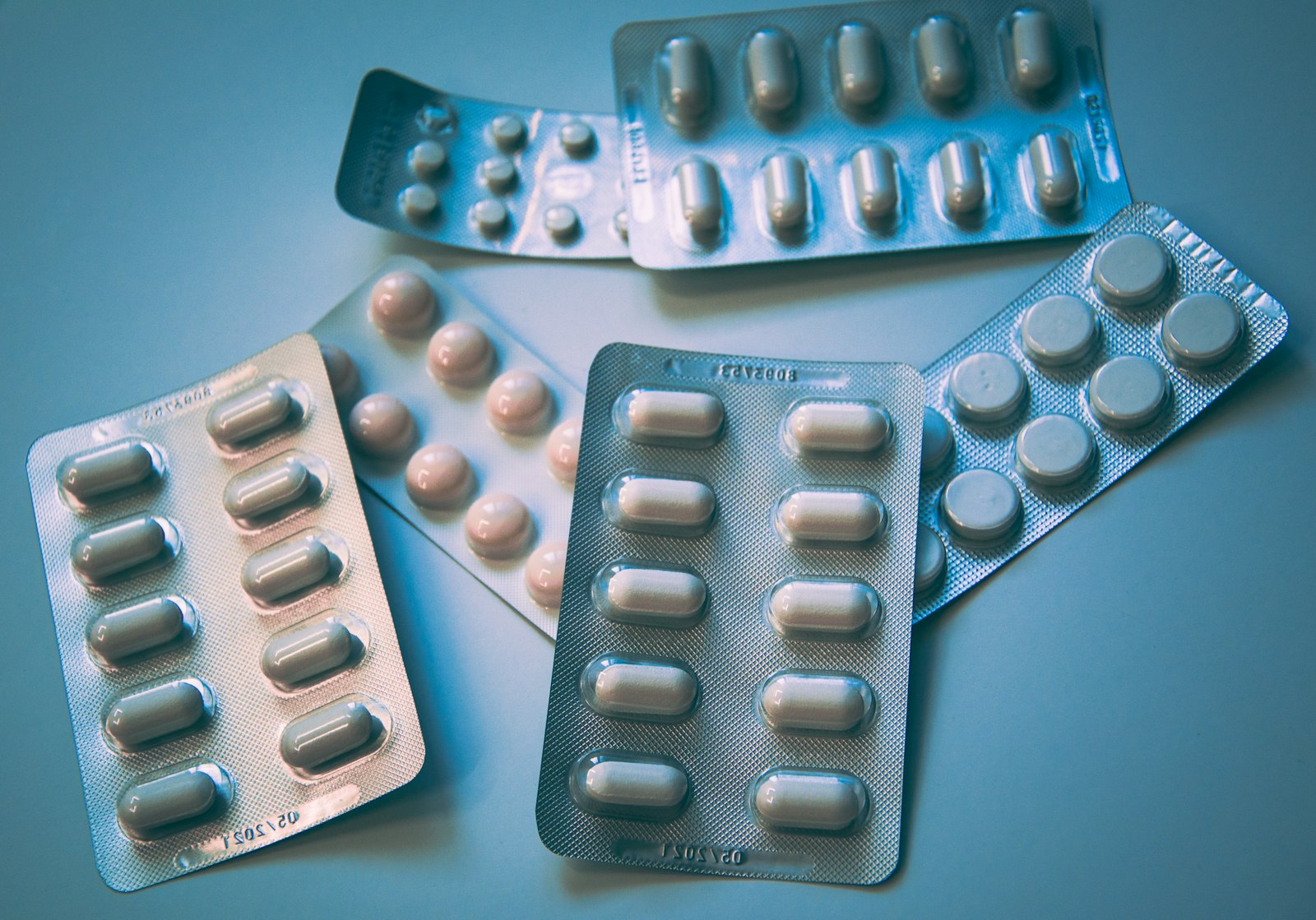


Ferris Bueller faked a fever to skip school and the world called it a classic. It turns out a good share of American adults have run a quieter version of the same play in the doctor’s office, with a much less charming goal: walking out with an antibiotic prescription. Two surveys published on 30 October 2026 in JAMA Network Open found that roughly one in four respondents had exaggerated or invented symptoms to get antibiotics, either for themselves or for a child. Dr. Gregory House always said “everybody lies”. The new data is less cynical than that, but it does suggest he was onto something.
What the two studies found
The research team, led by Alistair Thorpe of University of Utah Health and Andrea Gurmankin Levy of Connecticut State Community College Middlesex, surveyed close to 960 US adults in January and February 2026. About 28 percent said they had misrepresented their symptoms to obtain antibiotics at some point. Broken down further, 26 percent said they had exaggerated real symptoms while 17 percent admitted to making symptoms up entirely. The symptoms most often stretched were the familiar cold-season suspects: fever, cough and sore throat.
A companion study looked at parents, stepparents plus guardians. Of 236 caregivers included in the analysis, 63 (26.7 percent) said they had misrepresented a child’s symptoms to get antibiotics. That survey ran from 8 January to 13 February 2026 through an online research panel.
Here comes the uncomfortable part. The strategy often seemed to work. According to Live Science, 77 percent of adults who misrepresented symptoms said it had led to a prescription at least once. Among caregivers who did so, 87.3 percent reported at least one success. Fewer than 30 percent of the adults who had stretched the truth expressed any regret.
Why people do it
Before you picture a nation of hypochondriac con artists, look at the reasons. The most common one in both studies was simple: people felt genuinely awful, or believed their child was very sick. They thought antibiotics were the only treatment that would help. Others needed to get back to work or school quickly or wanted more control over their own care.
The strongest pattern was about being heard. Respondents who had previously felt dismissed by a clinician were more likely to exaggerate. In the caregiver study, those who felt unheard had more than three times the odds of misrepresenting symptoms. In addition, 63.5 percent of the caregivers who had done so said they felt clinicians do not take their symptoms seriously. Lower health literacy was also linked to higher odds, while better knowledge about antibiotics was linked to lower odds.
One finding from the adult survey stands out for its irony: those who lied were more likely than honest respondents to agree that antibiotic resistance is a hoax. It is a little like insisting the tide is a conspiracy while building your sandcastle closer to the water.
The biological problem with the plan
The science underneath is not new, but it bears repeating every November. Most colds, flu and many sore throats are caused by viruses. Antibiotics act on bacteria. They do nothing against a virus, yet they can still cause side effects. Every unnecessary course also adds to the broader problem of antimicrobial resistance, where bacteria evolve to survive the drugs designed to kill them.
The researchers point to a subtle trap here. If a doctor once prescribed antibiotics for a viral infection and you recovered, as you would have anyway, your brain files that away as proof that the pills worked. The next time you feel terrible, you want the same “cure”. It is the medical version of wearing your lucky socks to every match.
Jeffrey Linder, a primary care clinician-investigator at Northwestern Medicine who was quoted by Live Science, put the clinical logic bluntly: “symptoms do not determine the indication, a diagnosis does.” In other words, a dramatic description of your cough should not decide the prescription. An actual examination should.
Not a call to distrust patients
The authors are careful about the takeaway. You should be too. Levy said in the University of Utah Health release: “The practical takeaway is not for clinicians to become more suspicious of their patients.” The team argues instead for better communication, so that people feel taken seriously even when the honest answer is rest, fluids and time rather than a prescription.
There are limits to keep in mind. Both surveys used nonprobability online samples, so the results are not necessarily representative of the whole US population. People may also underreport behaviour they consider embarrassing, which means the true share could be different in either direction. The studies describe what respondents reported, not what happened in their medical records. They were also conducted in the United States, where access to care and prescribing habits differ from those in Germany or elsewhere in Europe.
What this means for your next sick day
Our interpretation, not the study’s conclusion: the story here is less about deception than about a breakdown in trust. When people feel their only way to be taken seriously is to turn up the drama, the system has a communication problem. If you are worried about how sick you or your child are, the most useful thing you can do is describe symptoms accurately, including how long they have lasted and what has changed. Ask directly what the doctor thinks is causing them and what warning signs should bring you back. That gives a clinician something a performance never can: real information.
Ferris got his day off and a turn on a parade float. You probably just want to feel better by Thursday. The second goal is far more likely to be reached with an honest conversation than with an Oscar-worthy cough.
This article is for general information only and does not replace medical advice. If you or your child feel unwell, please speak to a doctor or another qualified healthcare professional.
Key facts at a glance
- What: Two surveys published on 30 October 2026 in JAMA Network Open examined how often people misrepresent symptoms to get antibiotics.
- Adults: About 28 percent of roughly 960 surveyed US adults said they had exaggerated or invented symptoms to obtain antibiotics.
- Caregivers: 63 of 236 parents and guardians, or 26.7 percent, said they had misrepresented a child’s symptoms to get antibiotics.
- Why: The most common reasons were feeling very sick and believing antibiotics were the only treatment that would help. Feeling dismissed by clinicians was linked to higher odds.
- Note: for general information only, not medical advice.
FAQ
How many people lie to get antibiotics?
In a JAMA Network Open survey published in October 2026, about 28 percent of US adults said they had exaggerated or made up symptoms to get antibiotics. The sample was not fully representative of the US population.
Why do people exaggerate symptoms to get antibiotics?
Most respondents said they felt very sick and believed antibiotics were the only treatment that would work. People who had felt dismissed by a clinician before were more likely to exaggerate.
Do antibiotics help with a cold or flu?
No, antibiotics do not work against viruses, which cause most colds and flu. Unnecessary use can cause side effects and contributes to antimicrobial resistance.
Sources
- Caregiver Symptom Misrepresentation to Obtain Antibiotics in Pediatric Encounters (JAMA Network Open)
- One in Four Americans Have Exaggerated or Made Up Symptoms to Try to Get Antibiotics (University of Utah Health via Newswise)
- Nearly 30% of US adults admit to lying about or exaggerating their symptoms to get antibiotics (Live Science)
- More than one-quarter of Americans exaggerate symptoms to obtain antibiotics (News-Medical)