

Here is a sentence that sounds like a typo: Puma sold less in the third quarter of 2026 than a year earlier, booked another loss and still had its best day on the stock market since February. Shares jumped about 8 percent on the morning of 30 October, according to Reuters. If you have ever cheered for the underdog in a Rocky sequel even though you knew he would take a beating in round three, you already understand the mood in Herzogenaurach.
The numbers: smaller, leaner, slightly less scary
Puma reported third-quarter sales of €1.776 billion, down 5.0 percent in euros and 6.3 percent once currency effects are stripped out. That was still a little better than the roughly €1.75 billion analysts had pencilled in. The operating result was technically in the red: reported EBIT came in at minus €11.4 million, while the adjusted figure, which leaves out one-off restructuring costs, landed at a barely visible €0.4 million. The net loss was €54.9 million, an improvement on the €62.3 million lost in the same quarter of 2025.
The more interesting figures sit further down the page. Gross margin climbed to 49.5 percent from 45.4 percent, helped by cheaper sourcing plus €29.8 million in refunded tariffs. Inventories fell by 24.3 percent to about €1.61 billion. That last number is the one investors cared about. A sportswear brand with too many shoes in its warehouses ends up selling them at a discount, which teaches you, the customer, to never pay full price again. Jefferies noted that Puma’s stock levels already sit below its own year-end target. UBS said the company appears on track to normalise inventory by the end of the year.
For the full year Puma kept its forecast of a currency-adjusted sales decline in the low to mid single digits. It narrowed its expected operating loss to between €80 million and €130 million, from a previous range of €50 million to €150 million. Investment spending was cut to under €150 million from around €200 million. Chief executive Arthur Hoeld called it a quarter “in line with expectations” in what he describes as a “transition year”. Translation from corporate German: the patient is stable, the diet is working, please stop calling the hospital every hour.
Where the cat is limping
The weak spots are geographic and structural. Sales in Europe, the Middle East plus Africa fell 11.5 percent on a currency-adjusted basis. North America dropped 17.2 percent. Asia/Pacific was the bright patch with growth of 10.0 percent, including 3.5 percent in Greater China. Wholesale revenue, still the bulk of the business, slid 9.6 percent, while Puma’s own channels grew 1.2 percent and e-commerce rose 7.8 percent. Footwear fell 5.1 percent. Apparel fell harder at 9.4 percent.
The wholesale slump is not only about tired consumers. Reuters reports that retailers have trimmed orders while they wait to see what Puma’s new shareholder structure means in practice. Which brings us to the plot twist.
Enter Anta: the new landlord from China
In October, Chinese sportswear group Anta Sports completed its purchase of roughly 29 percent of Puma from the Pinault family for about €1.5 billion, making it the largest shareholder. Dennis Tao has since been elected chairman of Puma’s supervisory board. Hoeld framed the deal as a strategic choice rather than a rescue. According to Reuters he said: “We reached out to Anta as our partner to define our future operating model in China.” In the results statement he called Anta’s arrival “a strong vote of confidence”.
Whether that confidence spreads to the rest of the market is still an open question. Deutsche Bank said it wants to see “more confidence on the 2027 and mid-term outlook at some stage”. Fair enough. A quarter of shrinking sales with tidier warehouses is a promising first act, but nobody gives a standing ovation after the first act.
A brand born from a family feud
To understand why Puma’s every stumble gets compared with its neighbour, you have to go back to 1948. That year brothers Rudolf and Adolf Dassler ended their shoe partnership in the Franconian town of Herzogenaurach. Rudolf founded a company he first called Ruda before renaming it Puma. Adolf, known as Adi, launched adidas a year later. The river Aurach ran between the two factories. The town became known as the place of “bent necks” because locals glanced at each other’s feet to see which camp they belonged to. If HBO ever needs a German sequel to Succession, the script is right there.
Nearly eight decades later the sibling rivalry still shapes the headlines. While adidas has been reporting record quarters, Puma has spent 2026 cutting costs and clearing stock. Fashion likes a tidy narrative. “One brother wins, the other brother regroups” is tidy. Real business cycles rarely are.
The Speedcat factor
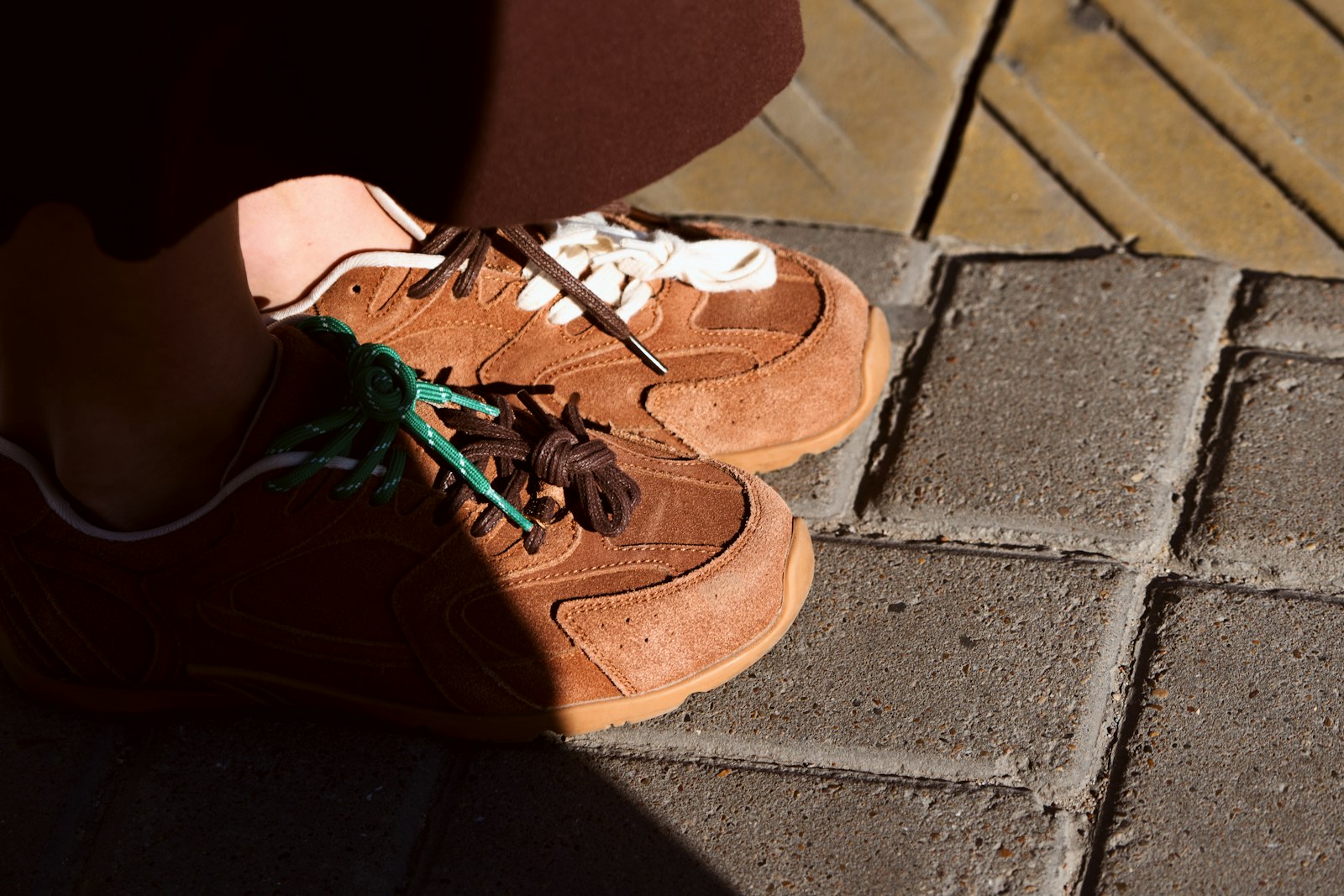
Puma’s best argument for the future is a shoe that was built for racing drivers. The Speedcat dates back to 1999, when Puma developed it as a low, slim driving shoe for Formula One. Michael Schumacher, then in the Puma and Ferrari orbit, wore it off-duty. Then it disappeared into the archive, as so many good ideas in fashion do, until the slim-sneaker wave of 2024 and 2025 pulled it back out. Who What Wear counted Bella Hadid, A$AP Rocky plus Blackpink’s Jennie among its fans. A limited Scuderia Ferrari edition for the Miami Grand Prix in April 2025 sold out quickly online.
In the latest results Hoeld pointed to strong Speedcat demand in Asia alongside momentum in running, where Puma is pushing its NITRO cushioning technology. That pairing tells you the strategy. Lifestyle hits like the Speedcat bring attention and margin, while performance running is supposed to restore credibility with serious athletes. Nike and adidas have played that double game for decades. Puma wants back into the conversation with its stated goal of becoming a top three global sports brand.
What this means for you
If you are shopping, a brand cleaning out its inventory usually means fewer desperate markdowns in the months ahead, but also less pressure on stores to discount the shoes everyone wants. If you are simply watching the sneaker world, keep an eye on two things. The first is the new commercial chief Arne Arens, who starts on 15 November. The second is how Anta reshapes Puma in China, a market where Anta knows the terrain far better than any European rival.
Our honest read, clearly labelled as interpretation: Puma is not back yet, but it has stopped falling in the chaotic way that scares retailers. Fashion history is full of brands that were declared finished and then returned on the strength of a single silhouette. Puma has the silhouette. The coming year will show whether it also has the patience to let a slim little racing shoe carry a very large company until the rest of the business catches up.
Key facts at a glance
- What: Puma reported third-quarter 2026 sales of €1.776 billion on 30 October 2026, down 5.0 percent reported and 6.3 percent currency-adjusted.
- Profit: Adjusted EBIT was €0.4 million while the net loss narrowed to €54.9 million from €62.3 million a year earlier.
- Inventory: Stock levels fell 24.3 percent to about €1.61 billion, which analysts at Jefferies and UBS welcomed.
- Outlook: Puma now expects a 2026 operating loss of €80 million to €130 million plus a currency-adjusted sales decline in the low to mid single digits.
- Owner: Anta Sports completed the purchase of roughly 29 percent of Puma from the Pinault family for about €1.5 billion in October 2026.
FAQ
How did Puma do in Q3 2026?
Puma’s third-quarter 2026 sales fell 5.0 percent to €1.776 billion with a net loss of €54.9 million. Results beat analyst forecasts slightly and inventories dropped sharply.
Why did Puma shares rise after the Q3 2026 results?
Puma shares rose about 8 percent because sales beat expectations and inventories fell faster than planned. The company also narrowed its full-year loss guidance.
Who owns the largest stake in Puma?
Chinese sportswear group Anta Sports is Puma’s largest shareholder with roughly 29 percent. It bought the stake from the Pinault family for about €1.5 billion.
Sources
- PUMA Reports €1.78 Billion in Q3 2026 Sales (Puma press release via EuropaWire)
- Puma narrows 2026 operating loss forecast amid softer consumer demand (Reuters via Investing.com)
- Puma continues to lose revenue and records losses (FashionUnited)
- Dassler brothers feud (Wikipedia)
- Inside the Meteoric Rise of 2025’s It Sneakers (Who What Wear)