For four years Miu Miu behaved like the main character of luxury fashion. Its ballet flats sold out. Its micro-miniskirt became a meme with a hemline. Its growth figures looked like typos. Then the Prada Group published its third-quarter numbers on October 22 and the main character got a quieter scene: Miu Miu’s retail sales fell 3 percent at constant exchange rates between July and September 2026. It is the brand’s first quarterly decline in four years.
So is the party over? Before you list your ballet flats on a resale app, look at the numbers more closely. They tell a story about arithmetic, geography and the strange physics of fashion hype. They do not (yet) tell a story about a brand falling out of love with its customers.
What the Prada Group actually reported
The group posted net revenue of €4.54 billion for the first nine months of 2026, up 12 percent at reported rates. A big chunk of that comes from Versace, which now sits inside the group and contributed €441 million. Strip out Versace plus currency effects and organic growth shrinks to 4 percent. In the third quarter alone it was a modest 1 percent.
Inside those totals the two sister brands swapped roles in an unfamiliar way. Prada itself grew retail sales by 1 percent in the quarter. Miu Miu, the label that carried the group through the wider luxury slowdown, slipped by 3 percent. Over nine months Miu Miu is still up 1 percent. On the earnings call the company’s investor relations team noted that Miu Miu’s performance is now “much more in line with Prada’s than in the past”. Translated from corporate: the little sister has stopped outrunning the whole family.
The problem with growing against a wall
The first explanation is plain arithmetic. In the first nine months of 2025 Miu Miu’s retail sales rose 41 percent. In the first half of 2024 they had jumped 93 percent. If you compare any quarter against numbers like that, even a healthy business looks out of breath. Group CEO Andrea Guerra described the comparison base on the call as “a huge wall” and suggested that the brand will stop running into it after another couple of quarters.
The second explanation is geography. Prada Group retail sales in the Middle East fell 23 percent over the nine months. The company said that excluding the region, Miu Miu’s third quarter was broadly stable. The Italian magazine nss links the slump to a sharp drop in tourist flows caused by the war in the Gulf. Guerra added that the slowdown in parts of Asia “is influencing more Miu Miu compared to Prada”. Mainland China footfall slowed during the period while South Korea, Hong Kong and Macao held up, according to FashionNetwork.
How a sister label became the it-brand
To understand why a 3 percent dip makes headlines, you need to remember how unusual the rise was. Miuccia Prada launched Miu Miu in 1993, named after her own nickname, as a place for the stranger and more playful ideas that did not fit the main house. For decades it was the cool cousin that insiders loved and investors mostly ignored.
That changed with the Spring/Summer 2022 collection: the low-slung micro-miniskirt paired with a cropped sweater turned up on magazine covers, red carpets and countless mirror selfies. What followed was a run of viral objects. In the first quarter of 2024 Miu Miu topped the Lyst Index, the quarterly ranking of the hottest fashion brands. Lyst reported at the time that three Miu Miu products made the quarter’s top ten, a first for any brand, while a sneaker collaboration with New Balance sold out online within hours.
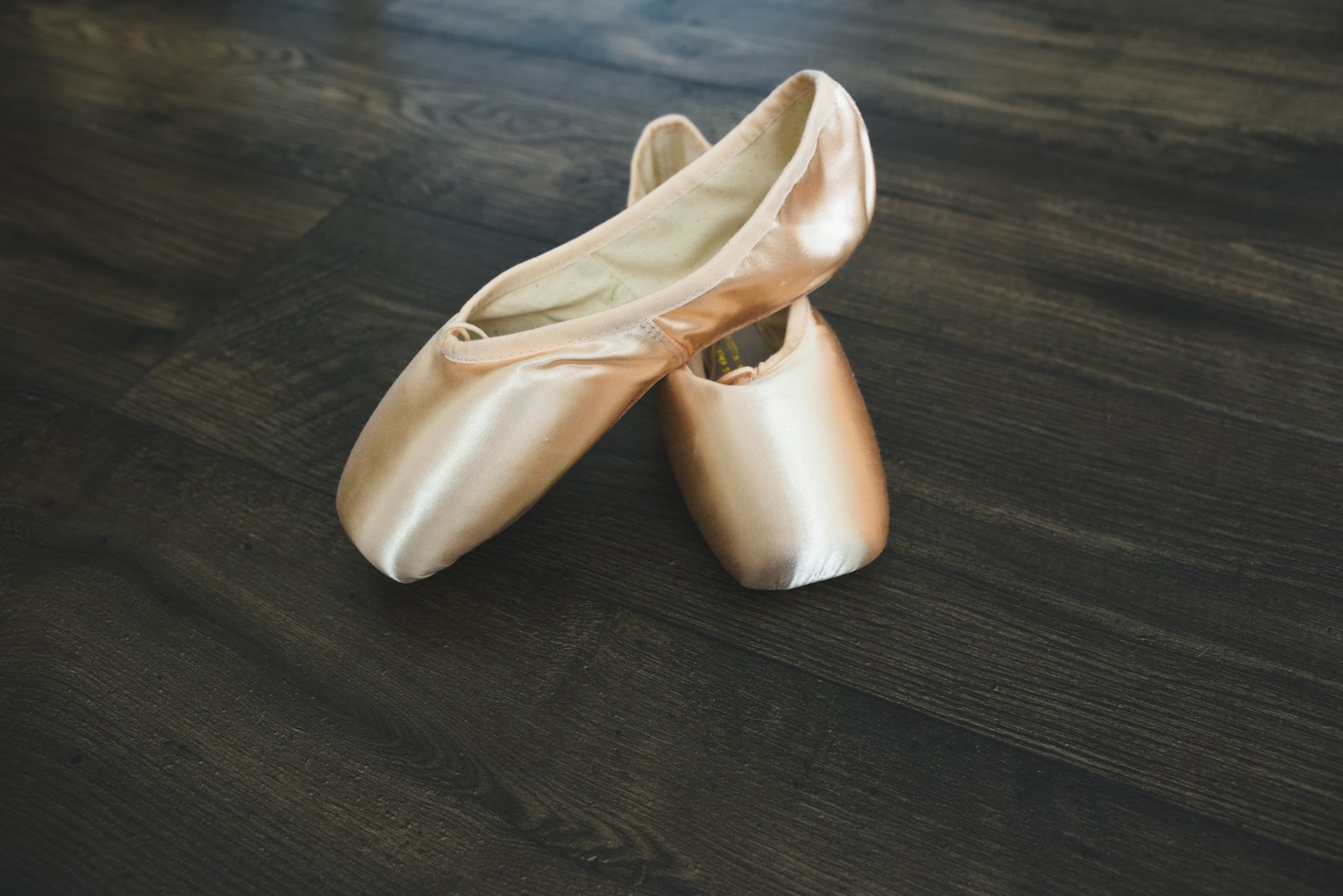
If you have seen The Devil Wears Prada, you know Miranda Priestly’s speech about how a runway decision trickles down until Andy fishes her “lumpy blue sweater” out of a clearance bin. The ballet flat followed that route at record speed. Soon every high street had its own version. For a luxury brand that is both the ultimate compliment and a quiet warning, because desire built on scarcity does not love ubiquity.
Why a pause is not a panic
Here the facts end and interpretation begins. Guerra was not exactly in crisis mode. He called the brand “hot” and “successful” and said it now needs time “to digest”. He pointed to the Spring/Summer 2027 show, which he said was very well received, to eyewear that is “increasing significantly” and to fragrances, for which he said “the real year” will be 2027. Ready-to-wear, the company added, is currently stronger at Miu Miu while leather goods are stronger at Prada.
Read together, those comments suggest a plan to widen the brand beyond a handful of viral bestsellers into categories that are less exposed to the speed of TikTok trends. Whether that works is open. Fashion history is full of labels that peaked when a single item became too recognisable; it is also full of houses that used a plateau to build something sturdier.
Meanwhile the group has another storyline to manage. Versace is preparing a creative debut in 2027, which means investor attention may soon shift from the little sister to the newly adopted sibling.
What this means for you
If you own a pair of those ballet flats, relax. A quarterly sales figure does not make your shoes less wearable. Besides, the hottest phase of any trend is rarely the most interesting one to dress in. If you are shopping, the slowdown is not a signal of discounts: Prada does not run its brands like an outlet village. Nothing in the results points to price cuts.
The more useful takeaway is about how fashion moments work. A brand can be culturally everywhere and commercially stable at the same time. The financial numbers usually lag behind the feeling in the street. Miu Miu’s next test is whether it can stay desirable once it is no longer new. Spring/Summer 2027 will be the first collection judged against that question, which makes the coming quarters more interesting to watch than the one that just ended.
Key facts at a glance
- What: Miu Miu’s retail sales fell 3 percent at constant exchange rates in the third quarter of 2026, the brand’s first quarterly decline in four years.
- When: The Prada Group published its nine-month results on October 22, 2026.
- Group figures: Net revenue reached €4.54 billion in the first nine months of 2026, up 12 percent reported and 4 percent organic excluding Versace.
- Why: Prada cites very high comparisons after 41 percent Miu Miu growth in the first nine months of 2025 plus a weaker geographic mix, with Middle East retail sales down 23 percent.
- Status: Over nine months Miu Miu retail sales are still up 1 percent, while the Prada brand grew 1 percent in the third quarter.
FAQ
Why did Miu Miu sales fall in the third quarter of 2026?
Prada says Miu Miu faced extremely strong comparisons with 2025 plus a less favourable geographic mix. Excluding the Middle East, where tourist flows dropped, the quarter was broadly stable.
How much did Miu Miu sales drop?
Miu Miu retail sales fell 3 percent at constant exchange rates in the third quarter of 2026. Over the first nine months of the year they rose 1 percent.
Is Miu Miu still growing overall?
Yes, slightly: retail sales are up 1 percent for the first nine months of 2026. Management called the brand successful and expects easier comparisons after the next couple of quarters.
Sources
- Prada Group reports 15% growth in the first nine months of 2026 (FashionNetwork)
- Prada Group Q3 2026 results: Miu Miu slows down (nss magazine)
- Earnings call transcript: Prada Group Q3 2026 (Investing.com)
- Miu Miu Retail Sales Grew 93% (Fashionista)
- Lyst Index Q1 2024: Miu Miu tops the ranking (Fashion Dive)