

For decades the luxury industry guarded one rule like a bank vault: prices only go up. They rise when leather gets more expensive, they rise when it does not, they rise because a handbag that costs more simply feels more desirable. So when Gucci quietly marked one of its bags down by roughly 30 percent, it was the fashion equivalent of a cathedral lowering its own steeple. You probably did not get a push notification about it. That was rather the point.
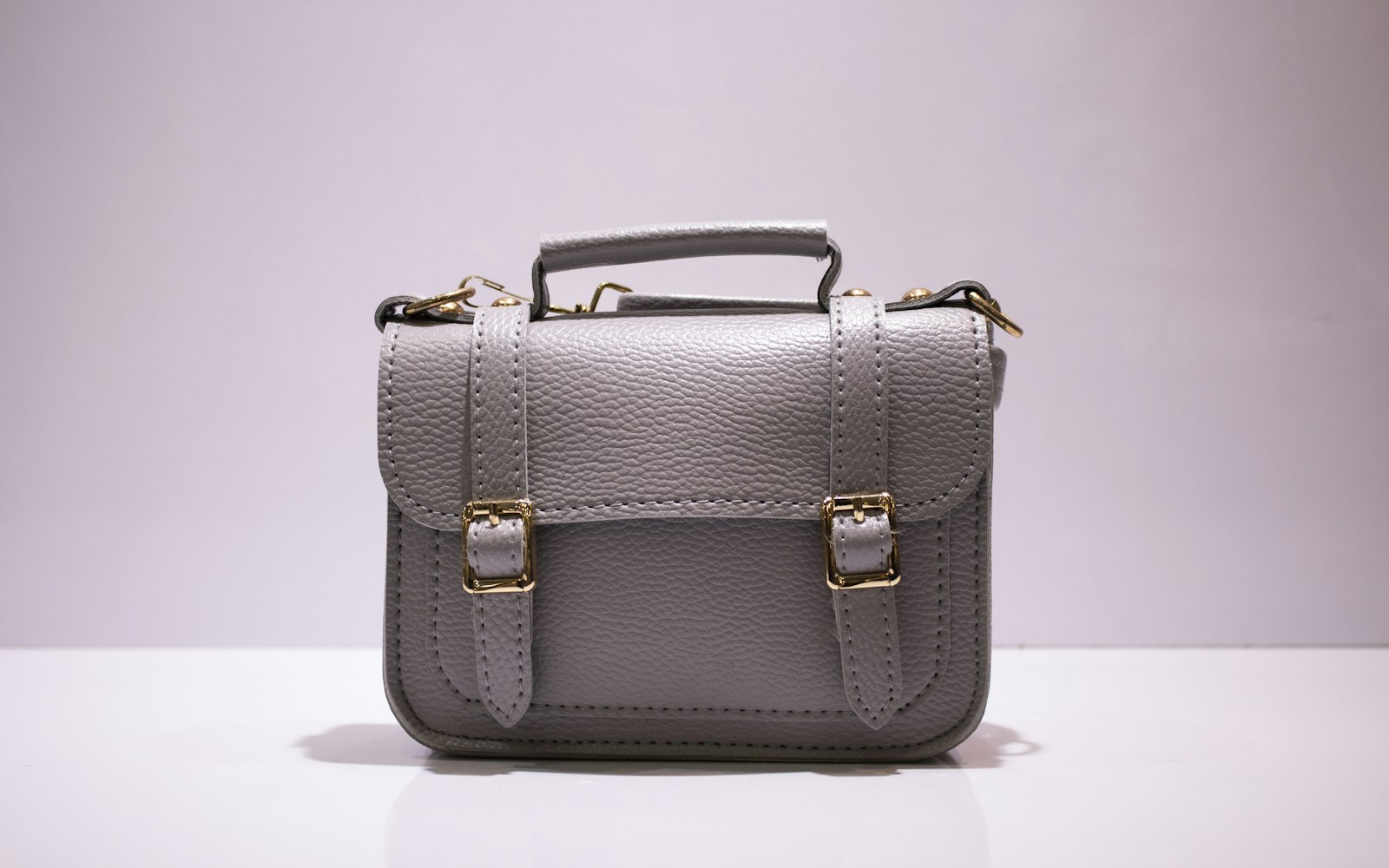
According to The Wall Street Journal, the Gucci Padlock Crystal Small top handle bag cost 3,500 euros in France in July and now sells for 2,450 euros. Bernstein analyst Luca Solca puts the cut at about 30 percent. The Journal also reported that Gucci has added 16 bag styles priced at 2,000 dollars or less to its US website. The report was picked up on November 16 by outlets including Open Magazine in India and the Korean business daily Financial News. We are talking about a handful of products. We are also talking about a very large symbolic step.
Gucci price cuts after the great price climb
To see why this matters, look at the years before it. Luxury houses spent the post-pandemic boom testing how far customers would follow them up the price ladder. Kering, Gucci’s parent company, has itself acknowledged that earlier price increases pushed some products beyond what shoppers were willing to pay, as Open Magazine noted in its summary of the debate. The ladder, it turns out, had a top rung.
The numbers explain the urgency. When Kering reported its third quarter on October 22, group revenue came in at 3.35 billion euros, down 1 percent on a comparable basis. Gucci, still the group’s largest brand, brought in 1.29 billion euros, down 4 percent as reported and 6 percent on a comparable basis, according to FashionUnited. The Wall Street Journal counts 13 consecutive quarters of falling Gucci sales. Kering chief executive Luca de Meo, who arrived last year after running carmaker Renault, put it plainly on results day: “The recovery of Gucci remains our defining priority.”
A former car executive treating a handbag a bit like a model line with a sensible entry trim is the kind of plot twist fashion insiders love to grumble about over espresso. Yet the logic is not exotic. If the people who used to buy your bags can no longer reach them, you can either wait for their salaries to catch up or meet them halfway.
Who actually buys a 3,500 euro bag?
Here the story gets more interesting than a simple discount. Bernstein estimates that more than half of sales at both Gucci and Louis Vuitton come from middle-income, aspirational customers who spend somewhere around 2,000 to 3,000 dollars a year on luxury goods. These are not oligarchs. They are the nurse who saves for one bag, the junior lawyer celebrating a promotion, perhaps you. Inflation and higher living costs have squeezed exactly this group.
At the very top, meanwhile, the party continues. Boston Consulting Group estimates that about 700,000 ultra-wealthy clients, roughly 0.2 percent of luxury consumers, generate about 24 percent of the industry’s revenue. Labels that sell mainly to them, such as Brunello Cucinelli, Cartier and Patek Philippe, have been holding up well. The luxury market has quietly split in two: one floor where cashmere sells itself and another where every price tag is now a negotiation.
Miranda Priestly once explained in The Devil Wears Prada how cerulean trickles from the runway down to a clearance bin. Gucci is now testing a trickier manoeuvre: letting prices trickle down without the brand following them into the bin.
Louis Vuitton is watching very closely
The sharpest reaction comes from across the street, or rather across the Avenue Montaigne. LVMH long ruled out playing with prices. A year ago its finance chief Cécile Cabanis rejected the idea of price segmentation, reportedly remarking “We are not Coca-Cola.” On a recent investor call she struck a different tone, saying the group had discussed more immediate measures internally, including price cuts. LVMH has not announced any broad price cuts for Louis Vuitton.
The pressure is real. Goldman Sachs estimates that Louis Vuitton’s third quarter sales fell about 8 percent year on year, a painful number for a brand that delivers at least half of LVMH’s operating profit. Goldman analyst Erwan Rambourg argues the bigger problem is not price at all but focus, pointing to Louis Vuitton’s expansion from luggage and handbags into fragrance and cosmetics. In other words: one analyst’s pricing crisis is another analyst’s identity crisis.
Fashion history has seen this film before
Gucci knows better than most that accessibility can be a double-edged stiletto. In the 1980s the name was licensed onto so many products that the double G lost much of its glamour. The revival in the 1990s under designer Tom Ford and chief executive Domenico De Sole involved reining in that sprawl and making Gucci feel scarce again. Cutting prices today is a very different move from slapping a logo on a key ring, but the brand’s own archive is a reminder that desirability is fragile.
There is also a psychological trap. Luxury shoppers tend to read a lower price as a lower status signal. If yesterday’s 3,500 euro bag is today’s 2,450 euro bag, some customers will feel smart and others will feel cheated. Think of the famous Pretty Woman scene in which Vivian returns to the Rodeo Drive boutique that snubbed her and delivers the line “Big mistake. Big. Huge.” Brands fear the reverse version: the customer who paid full price in July coming back to say exactly that.
What the Gucci price cuts mean for you
The facts are limited and clear: selected Gucci bags cost noticeably less than they did in summer. The cheaper pricing has not yet produced a sustained sales recovery, according to the Journal. Everything beyond that is interpretation. Ours is this: the age of automatic luxury price hikes is over, at least for now. Brands that depend on aspirational shoppers will have to compete on design, quality and story again, rather than on the thrill of an ever higher number.
For you as a shopper, that is not bad news. If Louis Vuitton follows, the industry will have admitted that its customers are not an endless resource. If it does not, you will get to watch the most expensive A/B test in fashion play out in real time. Either way, the next time a sales associate tells you a bag is an investment, you are entitled to ask which quarter’s prices they mean.
Key facts at a glance
- What: Gucci has cut prices on selected handbags, including the Padlock Crystal Small top handle bag, which fell from 3,500 euros in July to 2,450 euros in France.
- Scale: According to The Wall Street Journal, Gucci also added 16 bag styles priced at 2,000 dollars or less to its US website.
- Why: Gucci revenue fell 6 percent on a comparable basis to 1.29 billion euros in the third quarter of 2026, as Kering reported on October 22, 2026.
- Who: Bernstein estimates that more than half of Gucci and Louis Vuitton sales come from aspirational middle-income shoppers spending about 2,000 to 3,000 dollars a year.
- Status: LVMH says it has discussed price cuts internally but has not announced broad price cuts for Louis Vuitton.
FAQ
How much has Gucci cut its handbag prices?
On some models the cut is about 30 percent: the Gucci Padlock Crystal Small top handle bag fell from 3,500 euros to 2,450 euros in France. The reductions apply to selected products rather than the whole collection.
Why is Gucci cutting prices?
Gucci sales have been falling, with third quarter 2026 revenue down 6 percent on a comparable basis. Kering has acknowledged that earlier price increases put some products out of reach for many customers.
Will Louis Vuitton also cut prices?
No decision has been announced. LVMH finance chief Cécile Cabanis said the group has discussed measures including price cuts internally.
Sources
- Why Is Gucci Cutting Prices? Seven Things to Know About Luxury Fashion’s Pricing Reset (Open Magazine)
- They Said We’re Not Coca-Cola and Ruled Out Price Cuts: Will Plunging Sales Humble Louis Vuitton? (Financial News)
- Gucci Cuts Bag Prices 30% as Louis Vuitton Weighs Discounts (Seoul Economic Daily)
- Kering: Q3 revenue remains stable as jewelry and eyewear offset Gucci contraction (FashionUnited)