

Somewhere in a climate-controlled storeroom on Fifth Avenue, a plain pair of jeans is about to get the same reverent lighting usually reserved for a Charles James ball gown. The Metropolitan Museum of Art announced on Thursday, November 5, that its Costume Institute will open extraORDINARY: Fashion and the Poetics of the Everyday in spring 2027. After a summer of controversy, the most famous fashion museum in the world has chosen the least glamorous subject imaginable: the stuff you put on this morning without thinking.
If you are reading this in a hoodie, congratulations. You are, briefly, on theme.
What the Met actually announced
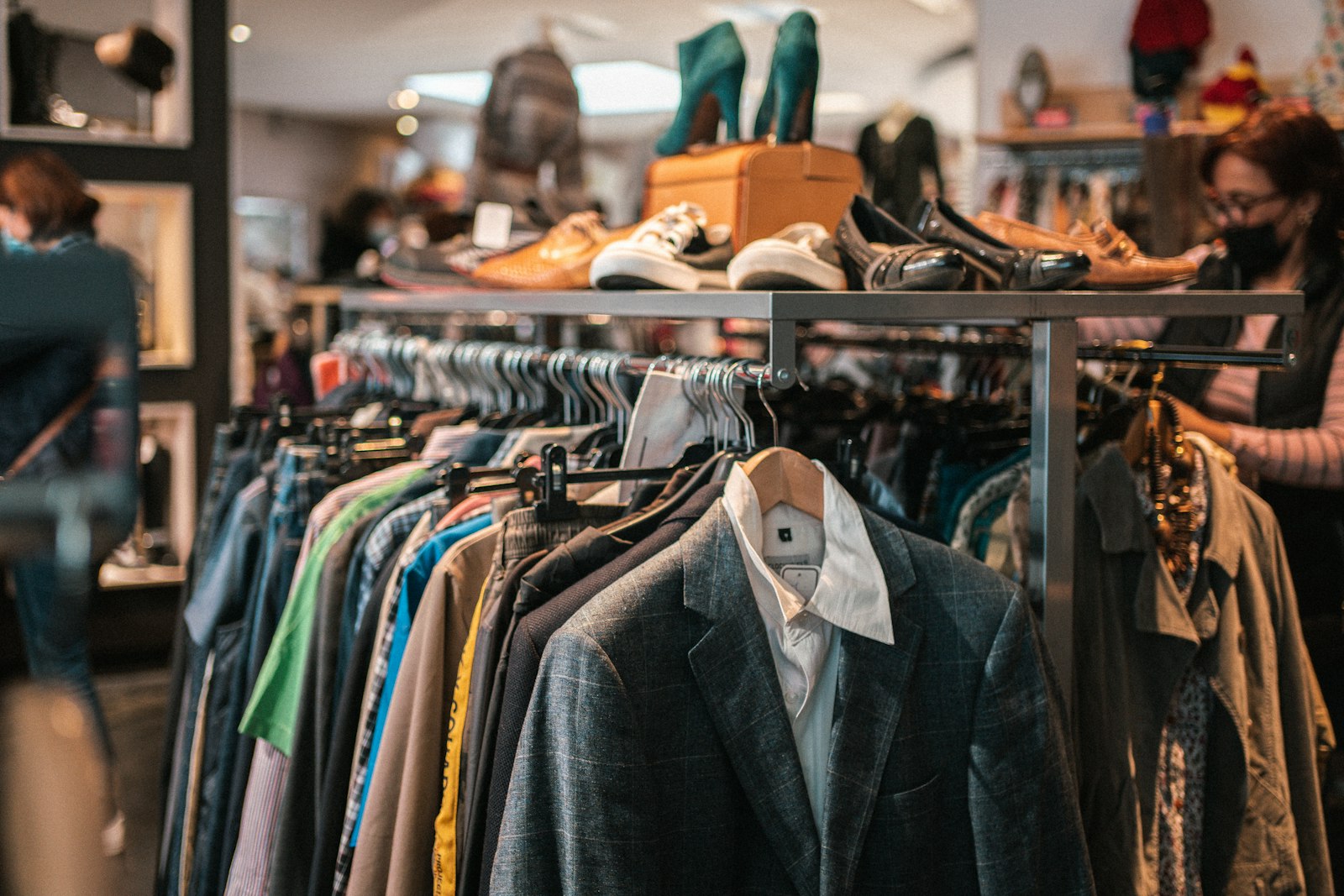
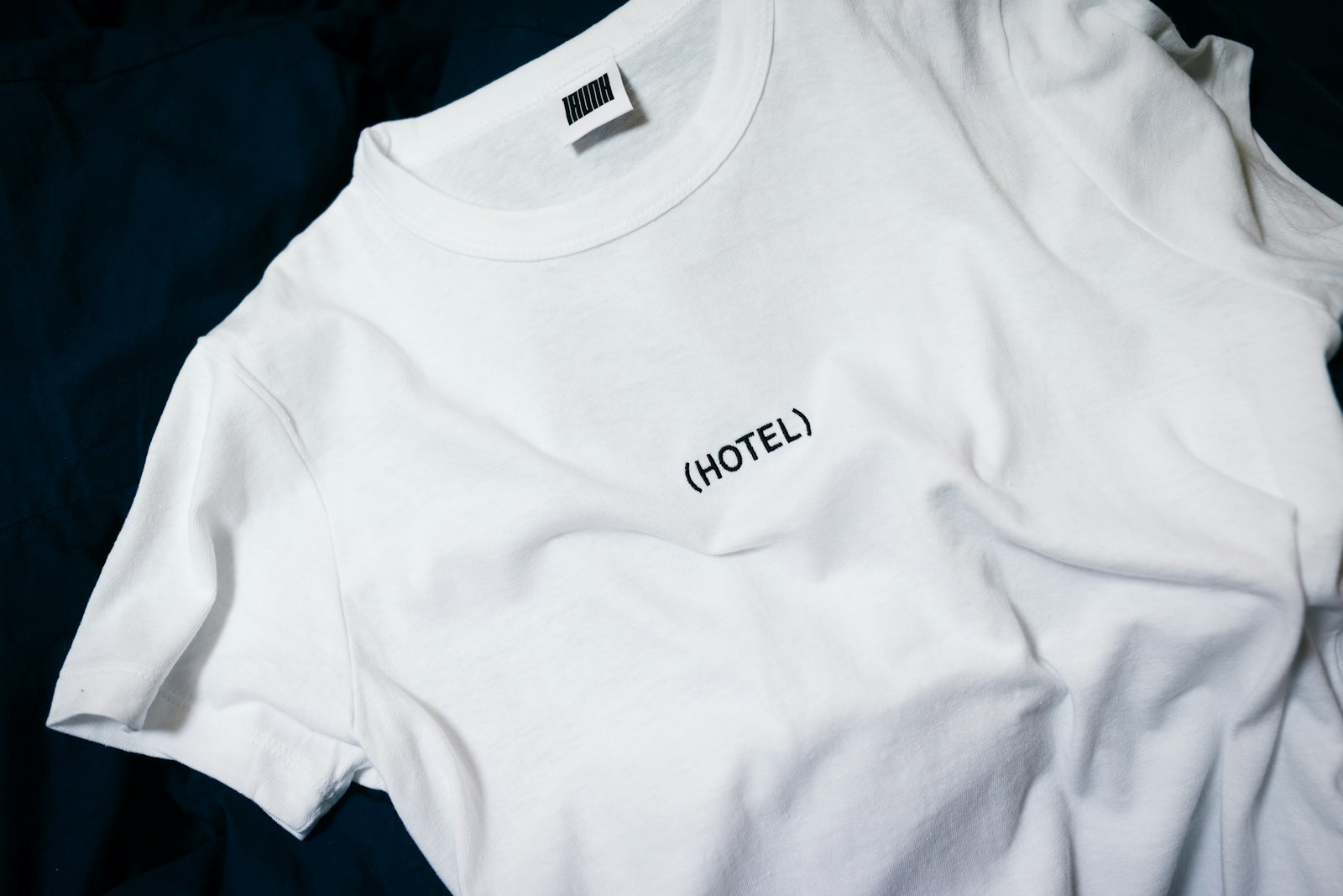
The exhibition will run from May 9, 2027, to January 9, 2028, with the Met Gala set for May 3, 2027. Curator in charge Andrew Bolton is organizing the show, which according to Fashionista will include more than 200 pieces. The museum says it wants to explore how designers transform familiar garments, materials and objects so that visitors see them anew. Denim, white T-shirts, puffer jackets, paper and plastic are all part of the brief.
Some of the early highlights already sound like a fashion history seminar disguised as a laundry basket. There is a 1930s puffer jacket by Charles James, lent by London’s Victoria and Albert Museum, which is a useful reminder that the quilted coat you wear to the supermarket started life as couture. Norma Kamali’s famous sleeping bag coat is in, as is a pair of Calvin Klein jeans contributed by Brooke Shields from her landmark 1980 advertising campaign. Fashionista also names work by Marc Jacobs, Junya Watanabe and Matthieu Blazy. According to CP24, roughly a third of the objects come from the museum’s own holdings while the rest are loans or gifts from fashion houses, many timed to the Costume Institute’s 80th anniversary in 2027.
What has not been announced yet: the gala dress code and the co-chairs. Bolton has mused that guests might be asked to wear their favorite everyday clothes, which would make for the most expensive casual Friday in history.
The show that disappeared
You cannot understand extraORDINARY without the exhibition it replaces. In late July 2026 the Met announced John Galliano: Horizons, a retrospective of the British designer’s career planned for the same dates. Roughly a month later it was cancelled. Galliano was dismissed from Dior in 2011 after recordings of antisemitic remarks surfaced and was convicted by a Paris court that year. He returned to fashion at Maison Margiela in 2014 and spent about a decade there.
The planned retrospective drew criticism from donors, city officials and members of the Jewish community. New York City Council Speaker Julie Menin was among the most prominent critics and pointed out that the 2027 gala would have fallen on Holocaust Remembrance Day. In his statement on the cancellation, Galliano said he remained “fully accountable” for the pain his past words had caused. Anna Wintour, who oversees the gala and has long supported the designer, described his decision not to go ahead as “very courageous”.
Bolton has been candid about the scramble. He told reporters the team had “no Plan B” and that the new concept grew out of an idea he had been turning over during this year’s Costume Art exhibition. The Met has not said that the everyday theme was chosen to steer clear of controversy. That reading belongs to commentators, us included: it is hard to imagine anyone writing an angry open letter about a white T-shirt.
Why the everyday is having its museum moment
It would be easy to file this under damage control and move on. That would miss the more interesting point. Fashion history is full of moments when the ordinary became iconic. Marlon Brando turned the white undershirt into a statement in A Streetcar Named Desire. James Dean made jeans and a plain tee look like rebellion in Rebel Without a Cause. Steve Jobs made a black Issey Miyake turtleneck into a corporate uniform so recognizable that it eventually became a costume for anyone pitching anything.
And then there is Miranda Priestly. In The Devil Wears Prada, she famously explains to her assistant that the “lumpy blue sweater” she is wearing is in fact cerulean, a colour that travelled from runway collections down to the clearance rack. That monologue is essentially the thesis of this exhibition delivered with an eye roll: nothing you wear is as neutral as you think. Designers spend careers studying the jean, the trench and the T-shirt precisely because everyone owns them.
Bolton put the idea in more sober terms to The New York Times, saying the theme raises “ideas of value and consumption and resourcefulness”. Our reading: that framing fits the moment. Luxury has spent the past few years pricing out a good part of its audience while debates about overproduction and secondhand shopping have moved into the mainstream. A show that asks you to look harder at what you already own lands in a very different mood than a celebration of runway spectacle would.
What it means for the gala and for you
The contradiction is delicious. The Met Gala is the single most watched red carpet in fashion, a night when celebrities arrive in looks that took hundreds of hours of embroidery. Next May they will be dressing for a theme about jeans. Expect some guests to read “everyday” literally, others to deliver a twelve-foot gown made of something technically ordinary, like denim or paper. Expect at least one person to arrive in a hoodie and a very serious expression. The internet will argue about whether that counts as conceptual or lazy. Both sides will be partly right.
For you, the takeaway is less about the party and more about the idea. Whether or not you ever set foot in the Costume Institute, extraORDINARY is an invitation to look at your wardrobe the way a curator would: where a garment came from, who designed its ancestors and why it has survived. The Met spent the summer learning that a big name can become a big liability. Its answer is to remind everyone that the most influential designs in fashion history are often the ones you no longer notice.
Key facts at a glance
- What: The Met Costume Institute’s spring 2027 exhibition is titled extraORDINARY: Fashion and the Poetics of the Everyday.
- When: The show runs from May 9, 2027, to January 9, 2028, with the Met Gala scheduled for May 3, 2027.
- Who: Andrew Bolton, curator in charge of the Costume Institute, is organizing the exhibition of more than 200 pieces.
- Background: It replaces John Galliano: Horizons, which was announced in July 2026 and cancelled about a month later after criticism over the designer’s past antisemitic remarks.
- Status: The 2027 Met Gala dress code and co-chairs have not been announced yet.
FAQ
What is the Met Gala 2027 theme?
The Met Gala on May 3, 2027, will open the Costume Institute exhibition extraORDINARY: Fashion and the Poetics of the Everyday, which looks at how designers transform everyday clothes. The official dress code has not been announced yet.
Why was the John Galliano exhibition at the Met cancelled?
The planned show John Galliano: Horizons was cancelled in late summer 2026 after criticism from donors, city officials and members of the Jewish community over the designer’s past antisemitic remarks. Galliano said he remains accountable for the pain his words caused.
What will be shown in the extraORDINARY exhibition?
The exhibition includes more than 200 pieces built around everyday items such as denim, white T-shirts, puffer jackets, paper and plastic. Announced highlights include a 1930s Charles James puffer jacket and a Norma Kamali sleeping bag coat.