

There is a particular moment every summer when you raise your arm to wave at someone and immediately regret it. The grey marl T-shirt has betrayed you again. Two dark crescents, perfectly visible from across the room, announcing to the world that you are a mammal. The Lycra Company thinks it has an answer. It is not a stronger deodorant. It is a fibre that is supposed to make sweat marks harder to see.
The product is called Coolmax CloakFX. It is being shown this week at Performance Days in Munich, the trade fair where the sportswear industry goes to look at fabrics the rest of us will be wearing in two years. It was selected as one of 16 products for the fair’s Innovation Forum. The pitch is refreshingly honest about the problem it solves. Tara Maurer-Mackay of The Lycra Company told FashionNetwork that visible sweat marks are “a real point of friction” for consumers of all generations. Translation: nobody wants to look like Albert Brooks in Broadcast News, whose big chance to anchor the news dissolved into a puddle on live television.
How a fibre can hide sweat marks
To understand what CloakFX is trying to do, it helps to know why wet fabric looks darker in the first place. Dry textiles are full of tiny air gaps between fibres. Light bounces around at all those boundaries between fibre and air and a lot of it is scattered back to your eye, which makes the fabric look lighter. When sweat fills those gaps, there are fewer of those boundaries. More light travels deeper into the material and gets absorbed. The result is that familiar dark patch, even on fabrics that are technically wicking the moisture away from your skin.
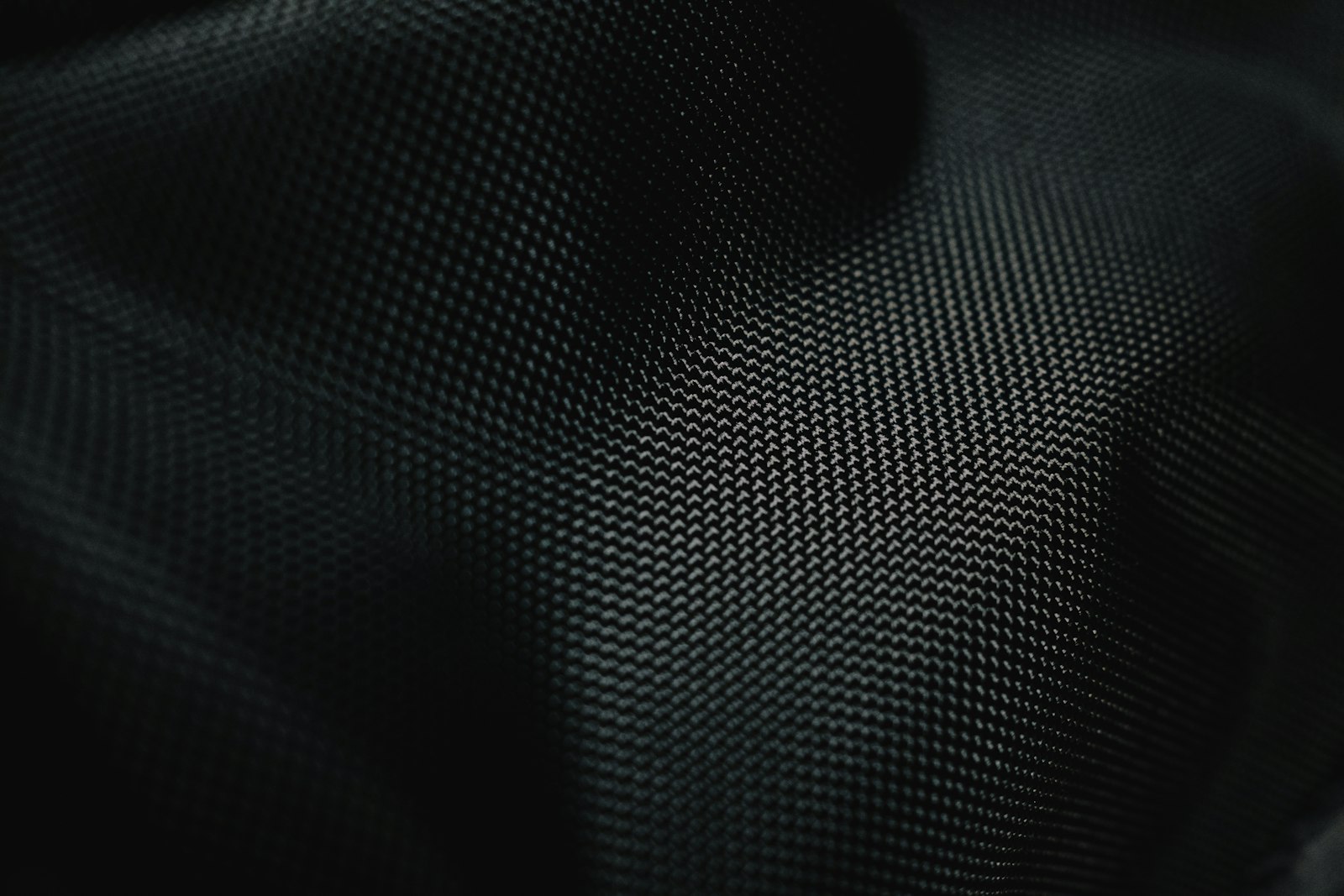
According to The Lycra Company, CloakFX works on the optical side of that equation. The company describes it as an “optical masking” technology that diffuses light at the level of the fibre itself, so moisture patches are less noticeable. The idea is not to stop you sweating or even to dry you faster. It is to make the fabric look drier than it is. Because the effect is built into the fibre rather than applied as a finish, the company says it should survive repeated wearing and washing.
What we know and what we do not
This is the part where your favourite fashion magazine has to be a little annoying. Neither the company’s launch release nor the trade coverage published this week includes measurable test results. There is no figure telling you how much less visible a sweat mark becomes, under which lighting, on which colours or with which knit. The Lycra Company says the fibre is being developed across knits, wovens and seamless constructions for activewear, workwear and everyday clothing. Turkish fabric maker Ekoten is showing how it can be built into commercial fabrics at the Munich fair. No retail brand has been named as a launch partner and there is no date for when you might actually find it in a shop.
There is also a small discrepancy in the sustainability claims. The Lycra Company’s March announcement described the polyester content as 93 percent recycled. Trade reports this week speak of 100 percent recycled polyester. Both say the fibre is certified to the Global Recycled Standard. The company also claims higher UV protection than conventional polyester plus moisture management and a cooling feel, again without published figures.
None of this means the technology does not work. It means that right now you are looking at a promising industry launch, not a proven consumer product. The real test will come when brands put it into garments and wearers start raising their arms in the wild.
A very old problem with a very long fashion history
Fashion has been fighting perspiration for as long as it has been making expensive clothes. In the 19th century, dress shields were sewn or pinned into the underarms of gowns to protect silk and wool that could not simply be thrown into a washing machine. The modern sweat stain anxiety is arguably even more intense, because so much of what we wear is pale jersey, tight technical fabric or athleisure that never pretends to be anything other than gym clothing worn to brunch.
The Lycra Company knows this history better than most. Lycra itself, the stretch fibre DuPont introduced at the end of the 1950s, changed how clothes fit the body. Coolmax, the moisture management brand under which CloakFX sits, emerged from the same DuPont fibre universe in the 1980s and became a standard name in running shirts. Both brands now belong to The Lycra Company, which has also started a financial restructuring aimed at removing more than 1.2 billion dollars in long-term debt, according to FashionNetwork. A clever new fibre with an easy-to-understand benefit is exactly what a fibre maker under pressure wants to bring to market.
Why sweat-masking fabric fits the moment
What follows is our interpretation rather than reported fact. Sportswear and everyday clothing have merged so completely that the same leggings and quarter-zips travel from spin class to video call to dinner. Technical fabrics have become the default uniform for millions of people who never set foot on a track. That changes what performance means. For a marathon runner, a soaked shirt is proof of effort. For someone presenting quarterly numbers in a fitted polo, it is a social hazard.
There is a cultural layer too. We live in an age of the relentless close-up, where every outfit might end up on someone’s camera roll. Richard Nixon’s perspiring upper lip during the first televised presidential debate in 1960 is still cited as a lesson in how visible sweat shapes perception. Today you do not need a national broadcast to feel watched. A fabric that edits out the evidence of a hot commute is, in a sense, a filter you can wear.
Is it slightly absurd that the textile industry is now engineering light itself so that your body looks less like a body? Yes, a bit. It is also very human. Fashion has always been part armour, part illusion. Shoulder pads made shoulders broader, corsets made waists smaller and now a fibre wants to make your armpits look dry.
What this means for your wardrobe
For now, nothing changes in your drawer. CloakFX is still at the stage where mills and brands are sampling it. If it reaches shops, expect it first in sportswear and workwear, where sweat marks are a functional complaint, before it filters into basics and office clothing. When it does, it is worth reading labels sceptically. Ask what the claim is based on and whether it holds after washing.
The broader shift is the more interesting story. Performance fabric is no longer only about how you feel during exercise. It is increasingly about how you look while living your life in clothes designed for exercise. If CloakFX works as advertised, the dreaded grey T-shirt might finally get a second chance. If it does not, there is always the oldest solution in fashion: wear navy.
Key facts at a glance
- What: Coolmax CloakFX is a polyester fibre from The Lycra Company designed to make sweat and moisture marks on clothing less visible by diffusing light at the fibre level.
- When: The fibre was announced in March 2026 and is being showcased at Performance Days in Munich on October 13 and 14, 2026.
- Materials: The fibre is certified to the Global Recycled Standard, with the company citing 93 percent recycled content in March and trade reports in October citing 100 percent.
- Status: No retail brand partners, prices or launch dates for consumer garments have been announced.
- Note: Neither the company nor the trade coverage has published measurable test data on how much less visible sweat marks become.
FAQ
How does Lycra CloakFX hide sweat marks?
According to The Lycra Company, Coolmax CloakFX uses optical masking that diffuses light at the fibre level so that damp patches look less dark. It does not stop sweating but is meant to make fabric look drier.
When can I buy clothes with Coolmax CloakFX?
No consumer launch date has been announced. The fibre is currently being shown to mills and brands at trade fairs such as Performance Days in Munich.
Is Coolmax CloakFX made from recycled materials?
Yes, the fibre is made from recycled polyester and certified to the Global Recycled Standard. The company stated 93 percent recycled content in March while October trade reports say 100 percent.