

Somewhere in your kitchen there is probably a bag of something crunchy that lists more ingredients than a Wes Anderson film has cast members. A new study from Canada suggests that what those snacks do to your waistline might not be the whole story. Researchers who looked at the brains of 8,783 middle-aged adults found that the people who ate the most ultra-processed foods were more likely to show signs of silent brain damage on MRI scans. Before you throw the cereal out of the window: the study has real limits. It also found no link with memory or thinking skills. Both points matter.
What the study looked at
The paper was published on October 15, 2026, in JAMA Network Open. The team, led by researchers at McMaster University in Hamilton, Ontario, used data from two Canadian cohorts: the Canadian Alliance for Healthy Hearts and Minds and PURE-MIND. Participants were between 35 and 70 years old, with an average age of almost 58. None of them had known cardiovascular disease when they were examined.
Everyone filled out a detailed food frequency questionnaire covering the previous year. The researchers then sorted the foods using the NOVA system, the best-known scheme for classifying how processed a food is. Everyone also had an MRI scan, body fat measurements and two standard cognitive tests.
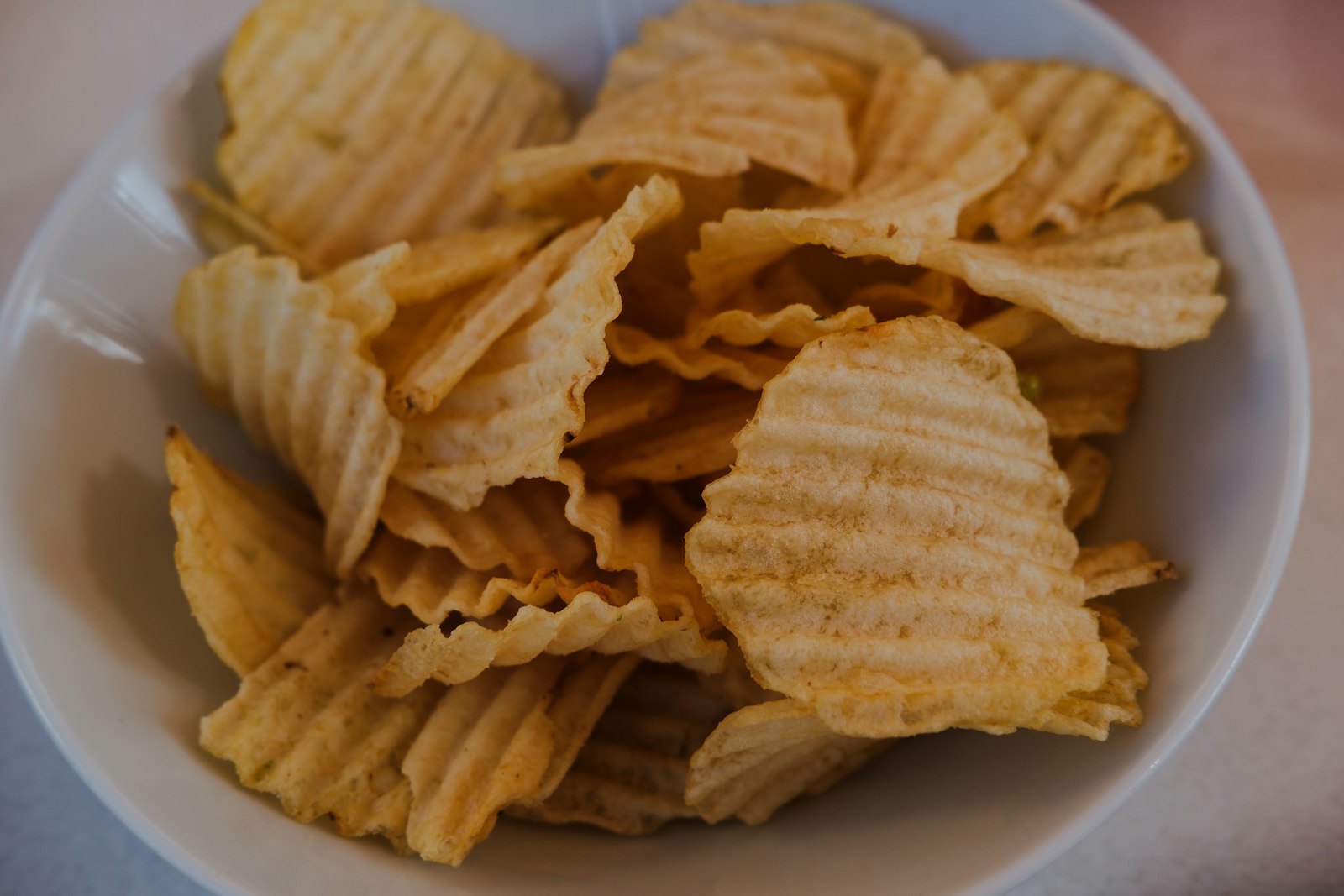
What counts as ultra-processed? Co-author Russell de Souza named a few familiar suspects in an interview with CTV News: chips, sweet breakfast cereals, highly processed sweet yogurts and some frozen meals. Think of foods built in a factory from ingredients you would never find in a home kitchen, then engineered to be very easy to keep eating. Morgan Spurlock made a whole documentary about the fast-food version of this problem in 2004. This study is the quieter, scanner-based sequel.
What the researchers found
The participants were split into four groups by how much ultra-processed food they ate. In the lowest group, these foods made up about 16.5 percent of daily servings. In the highest group it was 45 percent.
The main brain outcome was what the authors call vascular brain injury. That combines two findings on MRI. The first is covert brain infarcts, often called silent strokes: small areas of damaged tissue that did not cause obvious symptoms. The second is a high load of white matter hyperintensities, bright spots that are generally seen as a sign of disease in the brain’s small blood vessels. In the lowest intake group, 8.1 percent of people showed vascular brain injury. In the highest group it was 11.3 percent. After adjusting for age, sex, income, education, smoking, physical activity, diabetes, blood pressure, cholesterol and total calories, the odds of vascular brain injury were about 40 percent higher in the top group compared with the bottom group.
Body fat moved in the same direction. The heaviest consumers of ultra-processed foods had on average 1.7 percentage points more body fat plus a little more visceral fat, the deep belly fat that wraps around the organs. Liver fat showed no significant difference. The association with body fat was strongest in people who already had obesity.
Senior author Sonia Anand told CTV News that the team “observed an independent effect” of ultra-processed foods on the damage seen in the scans. In other words, the link did not disappear when body fat and classic risk factors were taken into account.
What the study did not find
This is where many headlines got ahead of the data. The study found no significant association between ultra-processed food and performance on the two cognitive tests, the Montreal Cognitive Assessment and the Digit Symbol Substitution Test. So the brains of the heaviest snackers looked slightly different on the scanner, but their owners were thinking just as well as everyone else at the time of testing. The authors suggest the tests may simply not be sensitive enough in midlife. That is plausible, but it is a hypothesis, not a finding.
The bigger caveat is the design. This was a cross-sectional study, which means everything was measured at one point in time. It can show that two things go together. It cannot show that one causes the other. Derek Hill, professor of medical imaging at University College London, put it plainly to the UK Science Media Centre: the association “does not provide evidence of causality.” Jules Griffin of the University of Aberdeen called the work well conducted but noted that the analysis did not adjust for salt, free sugar or saturated fat. He also raised the possibility of reverse causation.
There are further limits the authors themselves list. Food questionnaires rely on memory and honesty, two things that tend to fail precisely when the subject is late-night snacking. The NOVA classification was applied after the data had been collected. Most participants were urban and of White European background, so the results may not apply to everyone. A longitudinal follow-up is planned, with results expected in early 2028 according to CTV.
Why this matters anyway
Here is the interpretation part. One study like this does not prove that crisps damage your brain. Griffin’s verdict was that it adds to the evidence that diet may affect brain health in later life, while the causes still need to be established. The researchers themselves believe some of the MRI findings could be early warning signs of future stroke or dementia-related memory loss, which is why the brain’s small blood vessels interest them long before any symptoms appear.
The scale also matters. A 2025 Heart and Stroke Foundation report cited by CTV found that ultra-processed food makes up roughly half of what the average Canadian eats each day. When something is that common, even a modest association becomes a public health question rather than a private snack choice.
What you can take from it
You do not need to treat your pantry like a crime scene. Nothing in this study argues against a diet built mostly on whole and minimally processed foods. It simply adds one more possible reason to lean that way. De Souza’s own practical advice in the CTV interview was modest: cook at home where you can and buy local when possible. He also acknowledged that many people are struggling just to make ends meet, which is a useful reminder that ultra-processed food is often the cheapest and fastest option rather than a moral failing.
The honest answer for now is this: the scanners have seen something worth watching, the memory tests have not. The follow-up in 2028 should tell you whether the bag of chips in your kitchen is a villain or just a suspect.
This article is for general information only and does not replace advice from a doctor or other qualified health professional.
Key facts at a glance
- What: A study in JAMA Network Open published on October 15, 2026, linked high intake of ultra-processed foods with signs of vascular brain injury on MRI.
- Who: Researchers led by McMaster University analysed data from 8,783 Canadian adults aged 35 to 70 without known cardiovascular disease.
- Result: People in the highest intake group had about 40 percent higher odds of vascular brain injury than those in the lowest group, with a prevalence of 11.3 versus 8.1 percent.
- Limits: The study was cross-sectional, cannot prove cause and effect and found no link with cognitive test scores.
- Note: for general information only, not medical advice.
FAQ
Do ultra-processed foods damage the brain?
A new study found that adults who ate the most ultra-processed foods were more likely to show silent brain damage on MRI scans. Because it measured everything at one point in time, it shows an association rather than proof of cause.
Do ultra-processed foods affect memory?
The JAMA Network Open study found no significant link between ultra-processed food intake and scores on two cognitive tests. The authors say the tests may not be sensitive enough in midlife.
Which foods count as ultra-processed?
Examples named by the researchers include chips, sweet breakfast cereals, highly processed sweet yogurts and some frozen meals. Foods were classified using the NOVA system.
Sources
- De Souza et al. on ultraprocessed food intake, vascular brain injury and cognition in middle-aged adults (JAMA Network Open)
- Expert reaction to study on ultraprocessed food intake and vascular brain injury (Science Media Centre)
- Eating ultra-processed foods may raise risk of brain damage (CP24 / CTV News)