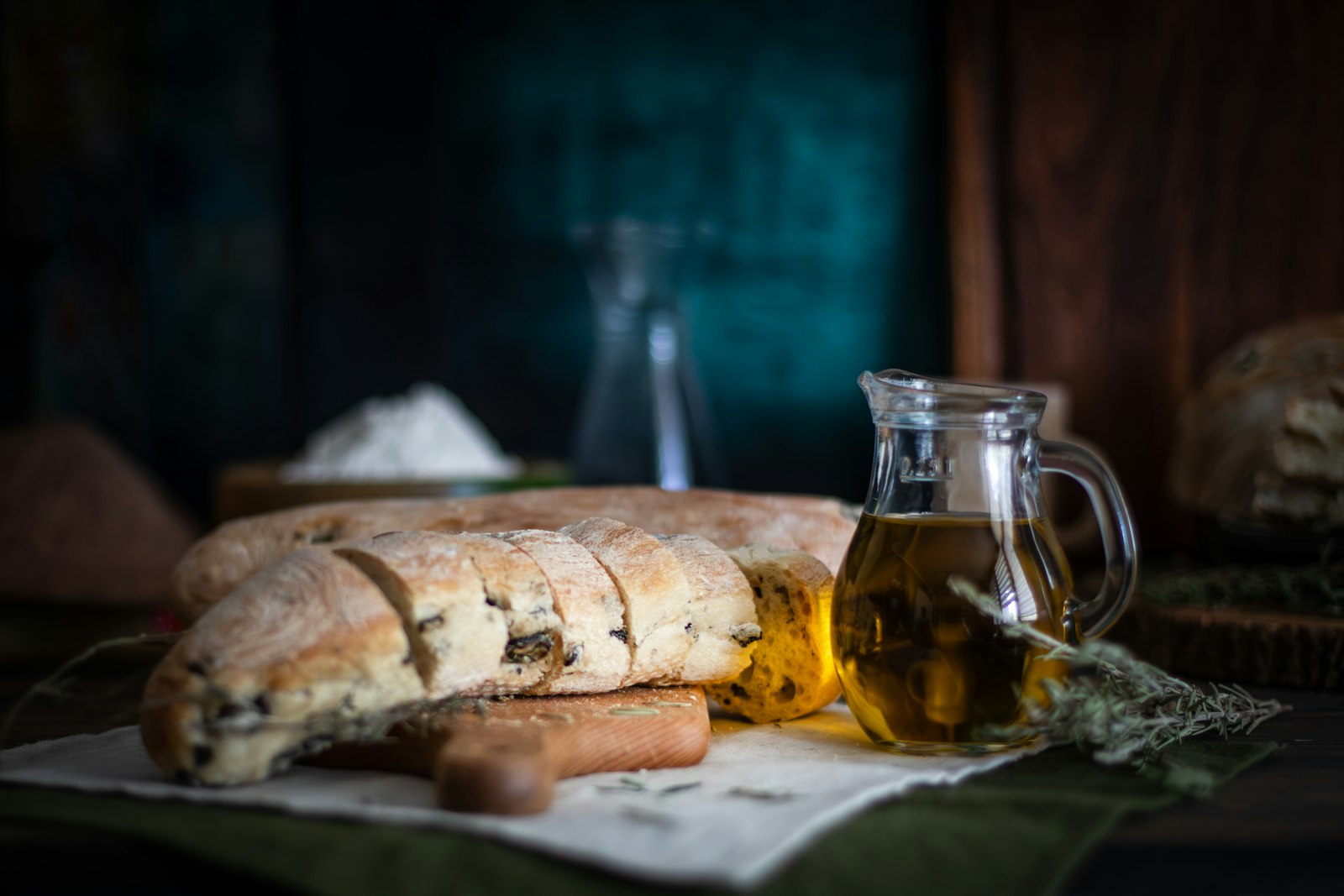


Somewhere right now, someone is pouring a shot glass of extra virgin olive oil, filming it in golden hour light and calling it a glucose hack. The trigger this time is a new study from Kyoto University. The fine print: it was done in mice. Some headlines skipped that part. A dpa report republished by Yahoo ran under the line “Diabetes patients urged to drink olive oil before eating”, although nobody in the study urged anyone to drink anything. So let us do what the algorithm will not and read the study before raising a glass.
What the Kyoto researchers actually did
The paper appeared in the journal Diabetes on October 8, 2026. Its title is a mouthful: “Olive Oil Before Oral Glucose Delays Gastric Emptying and Lowers Glycemia Through Partially Redundant Glucagon and GLP-1 Signaling in Mice”. The corresponding author is Daisuke Yabe of Kyoto University. The international team of co-authors includes Daniel J. Drucker, one of the best-known researchers in the field of GLP-1, the gut hormone behind today’s blockbuster diabetes and weight-loss drugs.
The setup was simple. Mice fasted overnight and were split into three groups. One group got water and then glucose. One got olive oil and then glucose 15 minutes later. The third got glucose first and olive oil 15 minutes afterwards. The researchers then tracked blood sugar, insulin plus a set of gut and pancreatic hormones: glucagon, GIP and GLP-1. To measure how fast the stomach emptied, they gave the animals acetaminophen by mouth and watched how quickly it appeared in the blood. Further experiments used mice with type 2 diabetes, mice lacking the GLP-1 receptor and mice in which the vagus nerve below the diaphragm had been tied off. The team also tested other dietary fats.
What they found
Olive oil given before glucose reduced the early rise in blood sugar and slowed gastric emptying. Olive oil given after glucose did not have the same effect. Fat arriving first also boosted the early release of glucagon, GIP and GLP-1. The effect held up in mice with type 2 diabetes and severe insulin deficiency.
The most interesting twist involves glucagon. Most of us learned that glucagon is the hormone that raises blood sugar, the opposite number to insulin. Here it helped lower the early spike. Blocking glucagon or GLP-1 on its own did not cancel the effect. Blocking both did. Scientists call this partial redundancy, which is a polite way of saying the body has a backup plan for its backup plan. The vagus nerve experiments suggest the nervous system is part of the conversation too. In Yabe’s words, the order in which nutrients reach the gut “can engage a coordinated hormone-nerve response”.
Why a mouse is not your dinner date
Before you clear a shelf for olive oil shots, a reality check. Mouse metabolism is a useful model, not a mirror. The press release gives no doses, no sample sizes and no actual numbers for the measurements. That makes it impossible to judge from the outside how large the effect was. The release itself says the findings “strengthen the rationale for testing” meal sequencing in people, which tells you that the olive-oil-first version still has to prove itself in humans. Interpretation stays interpretation until a clinical trial says otherwise.
There is also a practical catch the headlines ignored. Olive oil is an energy-dense fat. Adding it to a meal is not the same as swapping something out. If your goal involves your weight, that matters.
What we already know from people: meal sequencing
The idea behind the study is older than the hype. Clinical research had already suggested that eating vegetables, protein or fat before carbohydrates can soften the post-meal blood sugar rise. A small, widely cited 2015 study from Weill Cornell Medical College, published in Diabetes Care, tested this in 11 adults with type 2 diabetes and obesity who were taking metformin. When they ate protein and vegetables first and the carbohydrates 15 minutes later, their glucose levels were about 29 percent lower after 30 minutes, 37 percent lower after 60 minutes and 17 percent lower after 120 minutes than when they ate the carbs first. Insulin levels were lower too. The researchers themselves called for larger follow-up studies.
The “veggies first” rule has since gone mainstream, helped along by biochemist Jessie Inchauspé and her Glucose Goddess brand. The Kyoto team’s contribution is not a new rule. It is a better look at the wiring behind it: hormones, nerves and the stomach’s own pace. Yabe sums up the appeal neatly. Meal sequencing “merely changes how a meal is eaten rather than requiring people to avoid entire food groups”.
So what does this mean for your plate?
Here is the fact: in mice, fat before sugar blunted the early glucose spike through a surprisingly complex hormone and nerve response. Here is the interpretation: it adds biological weight to the meal sequencing idea that small human studies already support. And here is the forecast, labelled as such: if human trials confirm the mechanism, “eat your salad with dressing first” could become standard, boring and very sensible dietary advice. That is a lot less glamorous than an olive oil shot on TikTok.
Until then, the Mediterranean habit of starting with a salad dressed in olive oil looks better than ever, not because it is a hack but because it is a meal. Think less Eat Pray Love montage, more ordinary Tuesday dinner. Anyone living with diabetes or taking glucose-lowering medication should talk to their doctor before changing how they eat, because changes in eating patterns can affect treatment. The real headline from Kyoto is quieter than the viral one: the order of your food may matter. Science is starting to understand why.
This article is for general information only and does not replace medical advice. If you have diabetes or another medical condition, talk to your doctor before changing your diet.
Key facts at a glance
- Study: Kyoto University researchers published the mouse study in the journal Diabetes on October 8, 2026.
- Finding: Mice given olive oil 15 minutes before glucose had a smaller early rise in blood sugar plus slower stomach emptying than mice given the oil afterwards.
- Mechanism: The effect involved glucagon, GLP-1 as well as the vagus nerve; blocking glucagon or GLP-1 alone did not remove it.
- Status: The findings come from mice only; the researchers say they strengthen the case for testing meal sequencing in people.
- Note: for general information only, not medical advice.
FAQ
Does eating olive oil before carbs lower blood sugar?
In mice, yes: olive oil given 15 minutes before glucose reduced the early rise in blood sugar. The Kyoto study does not show whether the same happens in people.
Should people with diabetes drink olive oil before meals?
No such recommendation follows from the Kyoto study because it was done in mice only. People with diabetes should discuss any diet changes with their doctor.
What is meal sequencing?
Meal sequencing means eating vegetables, protein or fat before carbohydrates in the same meal. A small 2015 study in 11 adults with type 2 diabetes found lower glucose levels when carbohydrates came last.
Sources
- Olive oil before carbs blunts the early rise in blood glucose in mice (Kyoto University via EurekAlert)
- Eating olive oil before carbs has a surprising effect on blood sugar (ScienceDaily)
- Diabetes patients urged to drink olive oil before eating (dpa via Yahoo Health)
- Protein and veg before carbs helps keep blood sugar in check, say researchers (NutraIngredients)