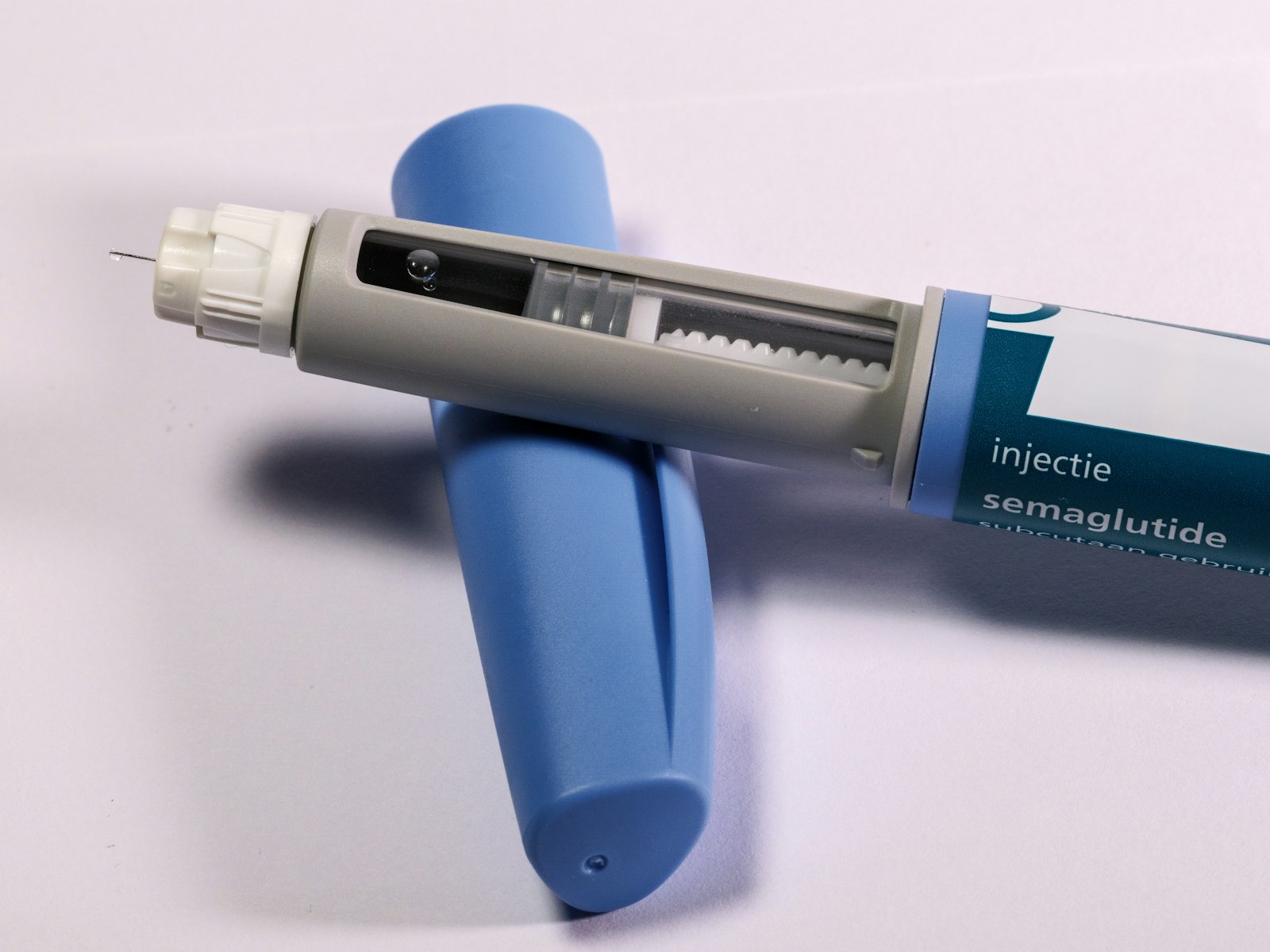


Wolverine never needed a syringe. The Marvel mutant, played by Hugh Jackman in a run of films that began with X-Men in 2000, heals because comic book genetics say so. A growing number of real people are now trying to borrow that superpower from a small vial. The substance is called BPC-157, the internet has nicknamed it the Wolverine peptide and its popularity is rising faster than the science behind it.
On October 4, Healthline published a detailed look at the trend, prompted by a new analysis of medical records and a regulatory fight in the United States. If you have seen the name pop up in a gym chat or a wellness influencer’s morning routine, this is what you should know before anyone tells you it is the secret to bouncing back like a superhero.
What BPC-157 actually is
BPC stands for Body Protection Compound. BPC-157 is a synthetic chain of 15 amino acids derived from a protein found in human gastric juice. In laboratory and animal research it has been studied for its effects on tendons, ligaments, muscles and the lining of the gut. That is where the healing reputation comes from.
The key word there is animal. A 2025 systematic review in the HSS Journal screened the published research on BPC-157 for musculoskeletal injuries and included 36 studies. Thirty-five were preclinical. Only one involved humans: a retrospective study of 12 patients, seven of whom reported relief lasting more than six months. The review’s most sobering line was simple: no clinical safety data were found. Healthline’s own count of human research adds only a few more tiny studies, one of them with just two participants given the peptide intravenously.
To put that in pop culture terms: the evidence base for BPC-157 is closer to a teaser trailer than a finished film.
A trend that grew 33-fold
The peptide’s fan base, however, is very much real. A preprint from the health data company nference searched about 15 million electronic medical records and identified 1,039 people whose notes documented BPC-157 use. The number of newly documented users rose 33-fold between 2020 and 2026. According to Healthline, the share of men among them grew from 57 percent to 70 percent and users have been getting younger each year. Pain was the most common reason given.
Two caveats matter here. The analysis has not yet completed peer review. The researchers also stress that it measures growth within the records they could see, not the total number of users in the US, which is probably much higher because many people never tell their doctor about it. As for whether it worked, the reported improvements come from patient accounts in clinical notes rather than controlled trials. The figures reported in different coverage do not fully match either. That is a long way from proof.
Experts are blunt about the gap. Dr. Bert Mandelbaum, a sports medicine specialist at Cedars-Sinai, told Healthline there is “zero evidence” that BPC-157 produces clinical healing.
The regulatory plot twist
If BPC-157 were a TV series, the regulation storyline would be its most binge-worthy arc. In 2023 the US Food and Drug Administration placed it among peptides it considered to raise significant safety concerns for compounding. In February 2026, Health Secretary Robert F. Kennedy Jr. announced that most of those restricted peptides would move toward a more permissive category.
Then, in July 2026, the FDA’s Pharmacy Compounding Advisory Committee voted 8 to 6 with one abstention to recommend adding BPC-157 to the list of substances that pharmacies may compound. TIME reported that the agency’s own scientific staff had opposed the move, citing limited evidence of effectiveness. Supporters argued that patients already buy these products on the gray market and that regulated access would be safer.
Here the details matter. The committee’s vote is a recommendation, not a final decision. Some coverage describes BPC-157 as already added to the compounding list, yet the legal analyses we reviewed say the FDA still has to go through formal rulemaking, with no fixed timeline. Either way, BPC-157 is not an FDA-approved drug. In sport the situation is clearer: the World Anti-Doping Agency has prohibited it since 2022.
Why the hype works so well
Now the interpretation part. The Wolverine peptide fits perfectly into a wellness culture that sells recovery as a lifestyle. Fast healing, eternal youth and a body that never lets you down are the same promises that once came in the form of miracle creams and celebrity diet books. The packaging has simply changed from a jar to a vial. A superhero nickname does a lot of marketing work that no clinical trial has done.
The risks are less glamorous. Products bought online can vary in purity and dose, injection sites can become infected and nobody knows the long-term effects. The nference researchers also suspect side effects are underreported in medical records. Users in the cohort mentioned symptoms affecting mood, sleep, skin and digestion, though the records cannot show whether the peptide caused them.
None of this means BPC-157 will never prove useful. The animal data are interesting enough that proper human trials would be worth running. The current problem is the order of events: the hype arrived first and the evidence is still waiting in the lobby. Wolverine, after all, got his healing powers in a comic. Your tendons deserve a better script.
This article is for general information only and does not replace medical advice. Please talk to a doctor before taking any supplement or unapproved substance.
Key facts at a glance
- What: BPC-157 is a synthetic peptide of 15 amino acids derived from a protein in gastric juice that is promoted online as the Wolverine peptide for faster healing.
- Use: A not yet peer-reviewed analysis by the data company nference found 1,039 documented users in about 15 million US medical records, with newly documented users up 33-fold between 2020 and 2026.
- Evidence: A 2025 systematic review in the HSS Journal found 35 preclinical studies but only one small clinical study of 12 patients and no clinical safety data.
- Regulation: An FDA advisory committee voted 8 to 6 in July 2026 to recommend BPC-157 for pharmacy compounding, but the vote is not binding and BPC-157 is not an FDA-approved drug.
- Note: for general information only, not medical advice.
FAQ
Is BPC-157 FDA approved?
No, BPC-157 is not an FDA-approved drug. A July 2026 advisory committee vote in favor of compounding it is only a non-binding recommendation.
Why is BPC-157 called the Wolverine peptide?
BPC-157 is called the Wolverine peptide because of claims that it speeds up healing, a nod to the Marvel character with rapid regeneration. Evidence for these claims in humans is very limited.
Is BPC-157 safe?
The safety of BPC-157 in humans is unknown. A 2025 systematic review found no clinical safety data because most research so far has been done in animals.
Sources
- Wolverine Peptide: Do Regeneration Benefits Outweigh Risks? (Healthline)
- Emerging Use of BPC-157 in Orthopaedic Sports Medicine: A Systematic Review (HSS Journal via PMC)
- An FDA Committee Just Voted in Favor of Peptides Despite the Agency’s Opposition (TIME)
- FDA advisory committee nominates six peptides for pharmacies to compound (NCPA)
- FDA Advisory Committee Voted Yes on Six Peptides. Now What? (Buchanan Ingersoll and Rooney)
- Peptide Regulation Debate Intensifies After FDA Advisory Panel’s Controversial Vote (AJMC)
- BPC-157 Healing Peptide Use Rises 33-Fold in US (Medindia)