

Somewhere in Paris on Friday morning, a trader looked at a screen and saw a luxury stock behave like a sample sale on the last day. Kering shares fell more than 10 percent in early trading on October 23, their lowest level since June 2025. Several outlets put the slide at around 12 percent during the session. The reason fits on a single Post-it: Gucci is still shrinking.
You may not own a single Kering share. You probably do have an opinion about Gucci, though, because almost everyone does. That is exactly the problem the group is trying to solve. Its third quarter numbers show how hard it is to make a brand feel desirable again once the world has decided it is yesterday’s party.
The numbers behind the shrug
On paper the quarter was not a catastrophe. Kering reported revenue of roughly 3.3 billion euros for the three months to September, flat on a reported basis and down 1 percent on a comparable basis. That was more or less what analysts had expected. Investors did not care much for the average. They cared about the brand that, according to Reuters, generates roughly half of the group’s profit.
Gucci brought in 1.29 billion euros, a decline of 4 percent as reported and 6 percent on a comparable basis. Sales in Gucci’s own stores fell 9 percent on a comparable basis. In the second quarter the reported decline had been 3 percent, so the curve is pointing the wrong way. Deutsche Bank summed up the mood in a note to clients, writing that Gucci “has not shown convincing signs of stabilisation.” Chief executive Luca de Meo, who joined from the car industry last year, called the brand’s recovery the group’s “defining priority”. Analysts tend to hear that kind of sentence as a promise and a confession at the same time.
Empty boutiques, fuller receipts
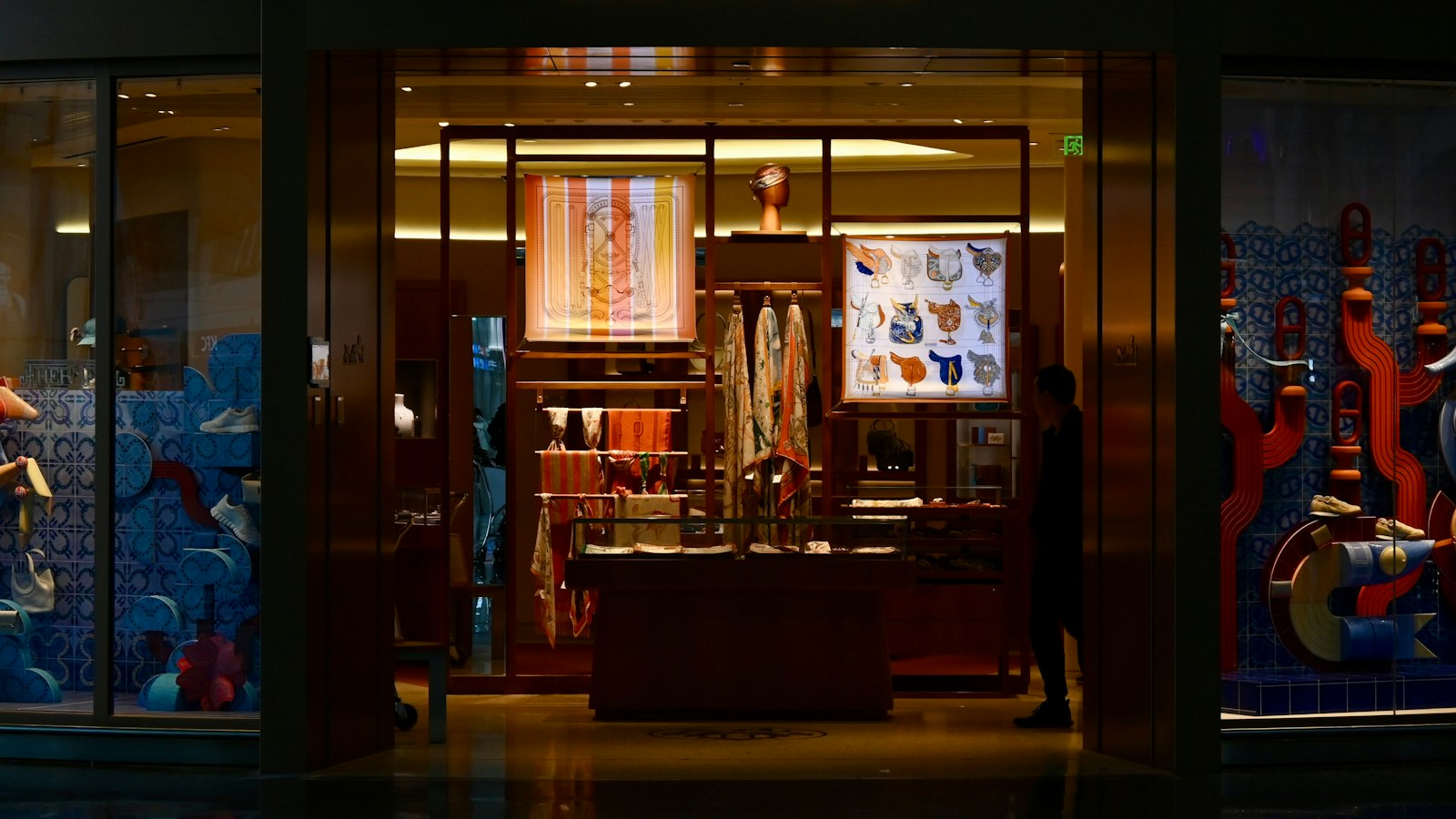
The most interesting detail sits inside the decline. On the earnings call, management said traffic remained the main constraint across regions, with mainland China the key headwind and Japan also soft. Yet the people who do walk into a Gucci store are spending more: conversion, average ticket and average price all improved. North America was the most resilient market. Wholesale jumped 45 percent on a comparable basis, although from a low base and partly because of order timing.
Translated from investor speak: Gucci has not lost its loyal customers. It has lost the curious ones. The tourist who once bought a belt with the double G because it felt like a souvenir of a certain lifestyle is now browsing elsewhere, or not browsing at all. For a house whose modern legend was built on making everyone want in, that is a painful kind of exclusivity.
A brand on its fourth reinvention in a decade
If you want the long version, rewatch the second half of Ridley Scott’s House of Gucci and then fast forward through the archive. Tom Ford turned a struggling heritage house into the sexiest label of the 1990s. Alessandro Michele, from 2015, made it a maximalist treasure chest of geek glasses and granny florals that ruled Instagram. Sabato De Sarno followed in 2023 with a quieter, more polished vision that never quite found its audience. Gucci sales have been falling since 2023.
Now it is Demna’s turn. The designer, who came over from Balenciaga in 2025, is approaching his first full year at the house. According to Reuters, his plan leans on bold and sexy styles that nod to the Tom Ford era. His Primavera collection reached stores from mid-July and was fully rolled out in September, while a range called GucciCore is due in stores in November. Management admitted on the call that there is “more work to do” on refreshing the offer. In fashion terms, the trailer is out but the film has not opened yet.
Closing doors, cutting stock
While the creative side works on the next big look, the business side is tidying the closet. Kering has closed a net 105 stores so far this year, 25 of them Gucci boutiques. It has also raised its target for 2026 to at least 125 closures. The group wants to reduce inventory in fashion and leather goods by about one billion euros by the end of the year. Management also stressed that recent price cuts applied only to a limited number of seasonal items from earlier creative periods, not to the brand as a whole. If you were hoping for a permanent Gucci discount, consider this your polite rejection letter.
Not everything in the portfolio is wilting. Excluding Gucci, retail sales in fashion and leather goods rose 2 percent, driven by Saint Laurent, Bottega Veneta and Brioni. Bottega Veneta delivered another high single digit increase. Kering Jewelry grew 11 percent to 239 million euros, Kering Eyewear 4 percent to 373 million euros. Balenciaga’s leather goods are doing well while its ready-to-wear and shoes remain weak.
Musical chairs in the design studios
The timing makes everything feel more dramatic. Anthony Vaccarello is leaving Saint Laurent after a decade and Seán McGirr has left Alexander McQueen, both this month, as Fashiony reported. De Meo’s turnaround plan, which aims to double the group’s profit margin from 11.1 percent in 2025 by the end of the decade, depends on creative directors producing hits on schedule. Fashion has rarely worked like a car factory, which is part of what makes this experiment so fascinating to watch.
What it means for you
For shoppers the short term picture is fairly clear. Fewer stores, less excess stock and a brand that is trying hard to look selective rather than everywhere. The bigger question is cultural. Gucci’s golden moments came when it captured a mood before anyone else had a name for it, from Ford’s jet set glamour to Michele’s thrift store romanticism. Spreadsheets can make a brand leaner. Only a collection can make it wanted. Whether Demna’s GucciCore is that collection is a question no earnings call can answer. That is the honest uncertainty at the heart of this story. The next real verdict will not come from analysts. It will come from whether you, standing in front of a shop window this winter, feel like walking in.
Key facts at a glance
- What: Kering reported third quarter 2026 revenue of roughly 3.3 billion euros, flat as reported and down 1 percent on a comparable basis.
- Gucci: Gucci sales fell 4 percent as reported and 6 percent on a comparable basis to 1.29 billion euros, with own store sales down 9 percent.
- Market reaction: Kering shares dropped more than 10 percent in Paris on October 23, 2026, reaching their lowest level since June 2025.
- Stores: Kering has closed a net 105 stores so far in 2026 and now plans at least 125 closures for the year.
- Bright spots: Kering Jewelry grew 11 percent to 239 million euros while Bottega Veneta posted another high single digit increase.
FAQ
Why did Kering shares fall after the Q3 2026 results?
Kering shares fell because Gucci, which generates about half of group profit, reported a 4 percent sales decline that was steeper than the 3 percent drop in the second quarter. Analysts at Deutsche Bank said the brand had not shown convincing signs of stabilisation.
What is Gucci doing to turn sales around?
Gucci is relying on new collections by creative director Demna, including the GucciCore range arriving in stores in November 2026. Kering is also closing stores and cutting inventory by about one billion euros in fashion and leather goods.
Which Kering brands are growing in 2026?
Saint Laurent, Bottega Veneta and Brioni drove growth outside Gucci in the third quarter of 2026. Kering Jewelry rose 11 percent and Kering Eyewear rose 4 percent.
Sources
- Kering shares tumble as Gucci fails to reassure investors (Reuters via Yahoo Finance)
- Kering turnaround hopes hit by drop in Gucci sales (Reuters via The Manila Times)
- Kering tumbles 12% as Gucci sales fall 6% despite in-line Q3 revenue (Yahoo Finance)
- Earnings call transcript: Kering Q3 2026 (Investing.com)