
Viva Glow Drip in Limassol: Where Longevity, IV Therapy and Holistic Health Meet Mediterranean Lifestyle
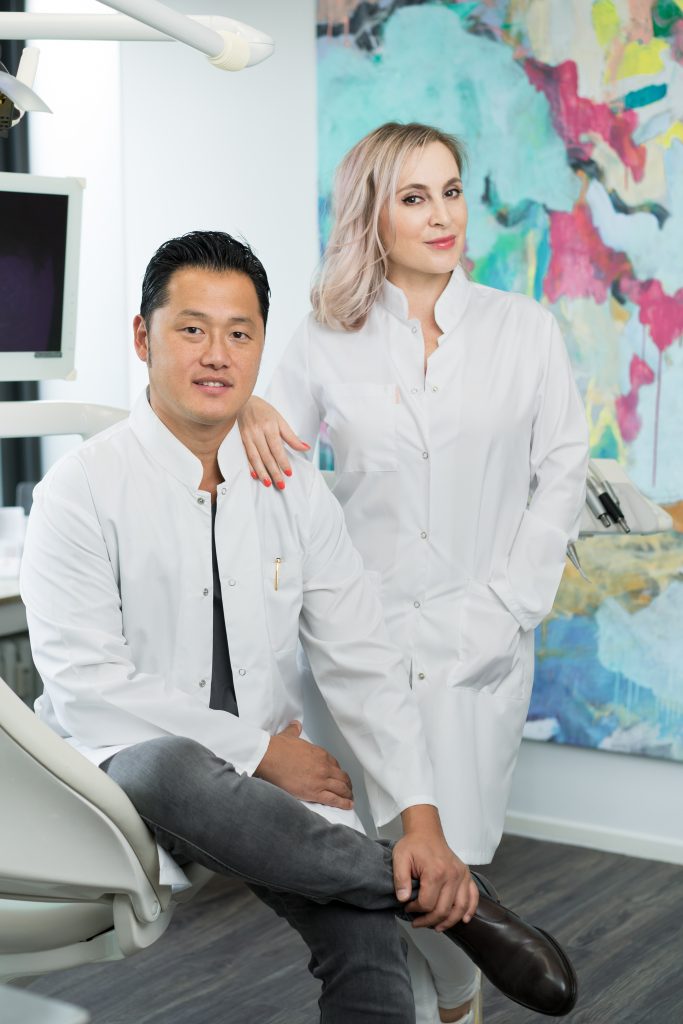
Limassol has always had a certain glow. Sea air, sunlight, elegant cafés, movement, international people, Mediterranean rhythm. But in the middle of this lifestyle city, a new kind of health concept is becoming increasingly relevant: not beauty from the outside only, not wellness as a weekend luxury, but longevity as a measurable, personalised and holistic health strategy. This is where Viva Glow Drip enters the story. The topic: Longevity Cyprus. Viva Glow Drip is a holistic health centre in Limassol, Cyprus, focused on longevity medicine, holistic blood testing, oxidative stress diagnostics, mitochondrial function, personalised IV therapies and regenerative aesthetics. The concept grew from years of biological and systemic medical thinking, combining the experience of Viva Dental in Düsseldorf with a broader health-centred approach in Cyprus. Longevity: Not Just Living Longer, But Living Better The word longevity is everywhere right now. It appears in podcasts, luxury retreats, scientific journals and social media routines. But the real meaning is much deeper than “anti-aging”. For all practitioners of martial arts it is common: Everything is holistic, everything works together with everything else. In modern science, the more useful word is often healthspan. Healthspan describes the period of life spent in good health, with physical, mental and functional strength. Lifespan is how long we live; healthspan is how well we live during those years. Longevity medicine looks at the biological processes that influence how we age: inflammation, oxidative stress, mitochondrial function, metabolism, hormones, immune balance and cellular repair. The 2023 update on the “hallmarks of aging” describes aging as a network of processes including mitochondrial dysfunction, chronic inflammation, cellular senescence and dysbiosis, meaning imbalance in the microbiome. In simple words: aging is not one switch. It is more like a control panel with many buttons. Longevity medicine tries to understand which buttons are under pressure. Why Testing Comes Before Treatments A stylish health centre can look beautiful. But the real value starts in the laboratory. At Viva Glow Drip, the approach begins with understanding the person before choosing a treatment. The existing Viva Glow Drip concept describes diagnostics as the starting point: nutrient levels, inflammation patterns, oxidative stress, hormonal shifts and markers of cellular performance can reveal why someone feels tired, slow to recover, mentally foggy or simply “not like themselves”. This matters because many symptoms are vague. Fatigue, low motivation, poor sleep, brain fog, weakened immunity or dull skin can have very different causes. One person may need iron correction. Another may have oxidative stress. Another may have low vitamin D, hormonal imbalance, high inflammation or poor mitochondrial function. Without testing, health becomes guesswork. With testing, it becomes a map. Oxidative Stress: The Invisible Rusting Process Imagine leaving a cut apple on the table. After a while, it turns brown. That is oxidation. Something similar happens inside the body, but on a microscopic level. Oxidative stress develops when the body produces more free radicals than it can neutralise. Free radicals are highly reactive molecules produced during metabolism, stress, detoxification, intense exercise, UV exposure or environmental toxin exposure. Viva Glow Drip’s educational material explains oxidative stress as a silent process that can damage lipids, proteins and DNA, while influencing energy, immunity, aging and cellular health. It can be assessed with markers such as MDA-LDL, nitrotyrosine, thiol status, glutathione and antioxidant factors like selenium, zinc, vitamin C and vitamin E. For readers without a medical background: oxidative stress is like internal rust. A little is normal. Too much can quietly affect how your cells work. Mitochondria: Your Inner Energy Studios Every fashion editor understands production. Behind every polished cover shoot, there is lighting, styling, logistics and power. Your body has its own production studios: mitochondria. These tiny structures inside cells produce ATP, the molecule that gives your body usable energy. When mitochondria struggle, the result may feel like low battery mode: fatigue, slower recovery, poor concentration and reduced resilience. This is why mitochondrial testing and support are central in modern longevity thinking. Viva Glow Drip’s holistic framework connects cellular energy, inflammation, nutrient status and IV therapy rather than looking at symptoms in isolation. IV Therapy: Direct Support, Not a Magic Wand IV therapy means that fluids, vitamins, minerals or other compounds are delivered directly into the bloodstream through an intravenous infusion. This bypasses the digestive system and can improve immediate availability of selected nutrients. But a responsible explanation is important: IV therapy is not magic, and it is not a replacement for sleep, food, movement or medical diagnosis. Scientific reviews describe IV vitamin therapy as most relevant in situations such as nutrient deficiency, malabsorption, chronic conditions or specific medical need; evidence for broad wellness claims in already well-nourished people remains limited. That is exactly why the holistic approach matters. At Viva Glow Drip, IV therapies are positioned as personalised tools within a larger plan: diagnostics, lifestyle understanding, medical supervision, targeted formulations and follow-up. NAD+: The Molecule Behind Cellular Energy One of the most discussed compounds in longevity is NAD+, short for nicotinamide adenine dinucleotide. NAD+ is a coenzyme, meaning a helper molecule that enzymes need to do their work. It is involved in energy metabolism, mitochondrial function and cellular repair processes. Scientific literature describes NAD+ as important for metabolism, DNA repair and enzymes such as sirtuins, which are involved in cellular stress responses and aging-related pathways. In simple words: NAD+ is part of the cell’s energy and repair language. However, the science around NAD+ therapies is still developing. NAD+ is biologically important, but that does not mean every NAD+ treatment automatically reverses aging. A careful longevity centre should explain both sides: the biological promise and the need for medical assessment, correct indication and realistic expectations. Glutathione: The Body’s Master Antioxidant Another key molecule in the longevity world is glutathione. Glutathione is often called the body’s master antioxidant because it helps protect cells from oxidative stress and supports detoxification and immune balance. Viva Glow Drip’s educational material explains glutathione as a central molecule for detoxification, immune strength and cellular longevity. It exists mainly in reduced
Sportleggings oder normale Leggings? Warum der Unterschied größer ist, als man denkt
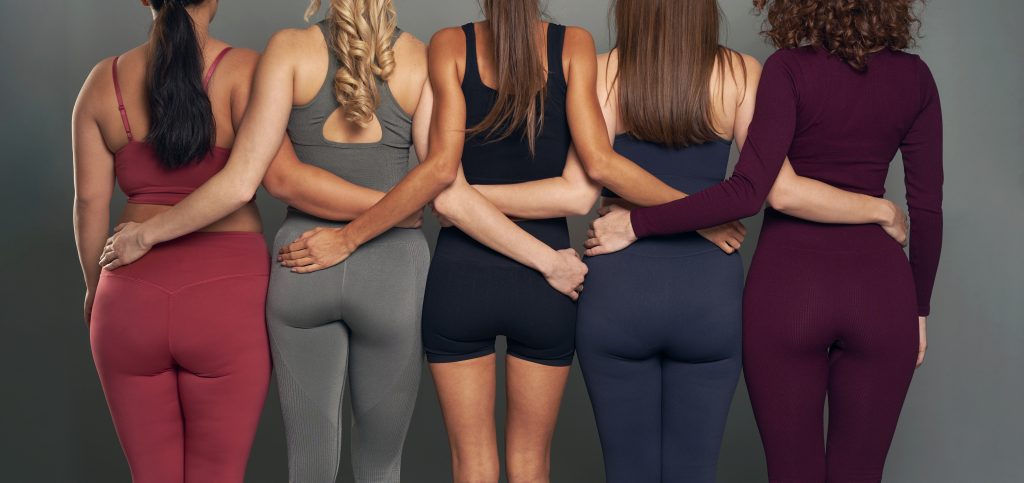
Leggings sind so etwas wie der heimliche Allrounder im Kleiderschrank: Man trägt sie auf dem Sofa, beim Einkaufen, unter Kleidern, beim Zahnarztbesuch, beim Spaziergang, im Fitnessstudio oder beim Yoga. Doch genau hier beginnt das Problem. Denn nur weil eine Leggings bequem sitzt, heißt das noch lange nicht, dass sie auch für Sport gemacht ist. Sportleggings und normale Leggings, vor allem bei Material, Verarbeitung, Haltbarkeit und Funktion unterscheiden sich stark. Auf den ersten Blick sehen beide Varianten oft ähnlich aus. Eng anliegend, elastisch, meistens schlicht. Fertig. Doch spätestens beim ersten Lauf, bei der ersten Kniebeuge oder in der Yogastunde merkt man: Eine normale Baumwoll-Leggings kann schnell an ihre Grenzen kommen. Sie rutscht, wird feucht, trocknet langsam oder wird an ungünstigen Stellen durchsichtig. Eine gute Sportleggings dagegen ist eher wie ein kleines technisches Ausrüstungsteil, nur eben deutlich angenehmer zu tragen. Ulm-News.de hat sich dem Thema Leggings in einem Shopping-Ratgeber für Leggings gewidmet und die Unterschiede, Vorteile und wichtigsten Aspekte recherchiert. Der wichtigste Unterschied liegt im Material. Normale Leggings bestehen häufig aus Baumwolle, Viskose oder einfachen Mischgeweben. Das fühlt sich im Alltag wunderbar weich an und ist ideal für gemütliche Stunden zuhause oder einen entspannten Stadtbummel. Wer aber schwitzt, braucht mehr als Weichheit. Baumwolle saugt Feuchtigkeit auf und hält sie fest. Das kann beim Sport unangenehm werden, weil der Stoff schwerer wird, auf der Haut klebt und nur langsam trocknet. Sportleggings setzen deshalb meist auf Funktionsmaterialien wie Polyester, Nylon und Elastan. Diese Stoffe sind dehnbar, formstabil und leiten Feuchtigkeit besser vom Körper weg. Besonders praktisch ist sogenannter 4-Wege-Stretch. Dabei dehnt sich der Stoff nicht nur in eine Richtung, sondern macht Bewegungen in alle Richtungen mit. Beim Yoga, Joggen, Radfahren oder Krafttraining ist das ein echter Vorteil. Niemand möchte bei einem Ausfallschritt das Gefühl haben, gegen die eigene Hose kämpfen zu müssen. Auch beim Schnitt gibt es große Unterschiede. Sportleggings haben oft einen hohen, breiten Bund. Das sieht nicht nur sportlich aus, sondern erfüllt einen Zweck: Die Hose bleibt besser an Ort und Stelle. Wer schon einmal mitten im Training ständig am Bund gezupft hat, weiß, wie nervig eine schlecht sitzende Leggings sein kann. Ein guter Bund gibt Halt, ohne einzuschneiden, und sorgt dafür, dass man sich auf die Bewegung konzentrieren kann. Ein weiteres Detail, das viele unterschätzen, sind die Nähte. Bei normalen Leggings sind sie häufig einfacher verarbeitet. Für den Alltag reicht das meistens völlig aus. Beim Sport können schlecht platzierte Nähte aber scheuern oder drücken. Sportleggings haben deshalb oft sogenannte Flatlock-Nähte. Diese flachen Nähte reduzieren Reibung und erhöhen den Komfort, besonders bei wiederholten Bewegungen wie Laufen, Kniebeugen oder Radfahren. Dazu kommt die Frage der Blickdichte. Eine Leggings kann im Stehen perfekt aussehen und beim Bücken plötzlich mehr zeigen, als einem lieb ist. Gerade dünnere Alltagsleggings werden beim Dehnen schnell transparent. Bei Sportleggings sollte man deshalb immer auf blickdichte Materialien achten. Der berühmte „Squat-Test“ ist dabei durchaus sinnvoll: einfach in die Kniebeuge gehen und prüfen, ob der Stoff zuverlässig deckt. Auch kleine Extras machen im Alltag einen Unterschied. Viele Sportleggings haben Taschen für Schlüssel, Smartphone oder Taschentücher. Das klingt banal, ist aber beim Joggen oder im Fitnessstudio enorm praktisch. Manche Modelle besitzen außerdem antimikrobielle Ausrüstungen, die Gerüche reduzieren sollen. Das ersetzt natürlich kein Waschen, kann aber bei intensiven Einheiten angenehm sein. Für Menschen in Ulm und Umgebung ist die richtige Leggings nicht nur im Fitnessstudio relevant. Wer an der Donau joggt, mit dem Rad unterwegs ist, im Park trainiert oder nach einer Ulmer Stadtführung noch einen Spaziergang einlegt, merkt schnell, wie wichtig passende Kleidung ist. Eine normale Leggings reicht für entspannte Wege, Cafés oder gemütliche Freizeitlooks. Sobald Bewegung, Schweiß oder längere Belastung ins Spiel kommen, lohnt sich eine Sportleggings deutlich mehr. Beim Kauf sollte man deshalb nicht nur nach Farbe oder Muster entscheiden. Natürlich darf eine Leggings gut aussehen. Aber wichtiger ist, dass sie zur geplanten Aktivität passt. Für Yoga eignen sich weiche, sehr elastische Modelle mit angenehmem Bund. Fürs Joggen sind atmungsaktive, fest sitzende und möglichst rutschfreie Leggings sinnvoll. Beim Krafttraining oder Kampfsport-Training sollte der Stoff robust, blickdicht und formstabil sein. Für Outdoor-Aktivitäten können wärmere oder wetterbeständigere Varianten die bessere Wahl sein. Ein häufiger Fehler ist es, eine Sportleggings zu klein zu kaufen, weil man sich davon mehr Halt verspricht. Das kann jedoch das Gegenteil bewirken. Ist die Hose zu eng, schneidet sie ein, rollt sich am Bund ein oder wird durchsichtig. Ist sie zu groß, rutscht sie bei Bewegung. Die richtige Sportleggings sitzt eng, aber nicht einengend. Man sollte tief atmen, sich bücken, strecken und bewegen können, ohne ständig daran herumzuziehen. Auch die Pflege spielt eine Rolle. Funktionsmaterialien mögen meist keine Weichspüler, weil diese die Fasern verkleben und die atmungsaktiven Eigenschaften verschlechtern können. Wer lange Freude an seiner Sportleggings haben möchte, wäscht sie am besten nach Pflegehinweis, nicht zu heiß und ohne unnötige Zusätze. So bleibt der Stoff elastisch, der Bund stabil und die Passform länger erhalten. Zusammengefasst: Normale Leggings sind perfekt für Alltag, Freizeit und gemütliche Looks. Sportleggings sind dagegen für Bewegung gemacht. Sie bieten besseren Halt, mehr Elastizität, bessere “Schweißableitung”, robustere Nähte und meist eine höhere Blickdichte. Wer regelmäßig Sport treibt, sollte deshalb nicht einfach irgendeine Leggings aus dem Schrank ziehen, sondern bewusst ein Modell wählen, das zur Aktivität passt. Eine gute Sportleggings ist keine Mode-Laune, sondern eine sinnvolle Investition in Komfort und Bewegungsfreiheit. Man trainiert entspannter, fühlt sich sicherer und muss sich weniger mit verrutschendem Stoff oder unangenehmer Feuchtigkeit beschäftigen. Normale Leggings haben weiterhin ihren festen Platz im Kleiderschrank, aber beim Sport sollte Funktion klar vor reiner Optik kommen.